Before the Green Frame: The Untold Story of Ducati’s 750 Super Sport Prototypes
When enthusiasts think of the Ducati 750 Super Sport, one image immediately comes to mind: the iconic 1974 “Green Frame”. Revered as one of the most desirable motorcycles ever produced by the Bologna manufacturer, it marked the beginning of Ducati’s reputation for building uncompromising sporting motorcycles inspired directly by the race track. Yet the Green Frame did not appear overnight.
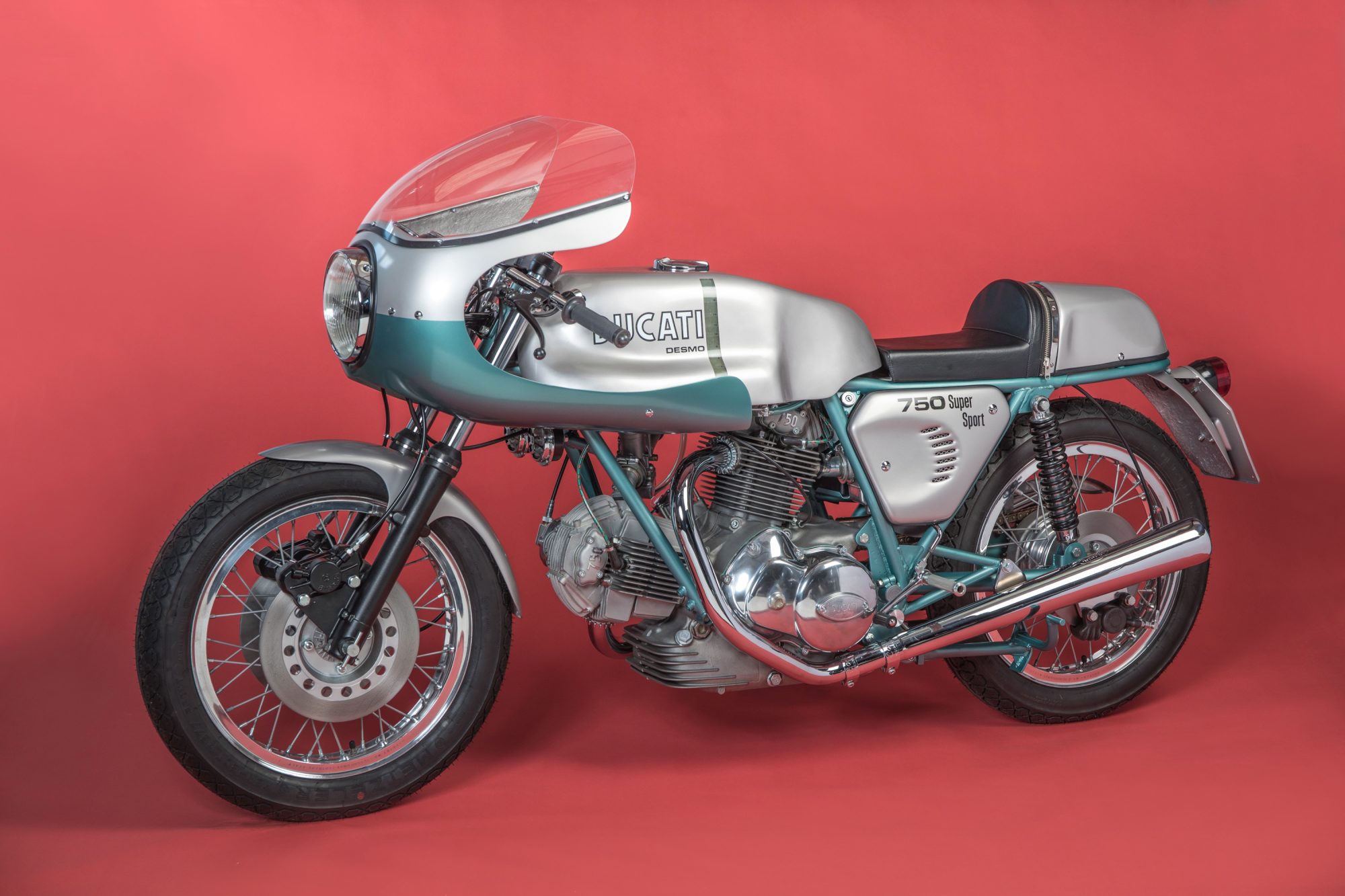
Behind the famous production model lies a fascinating development story that began with one of the most important victories in Ducati’s history and continued through a remarkable succession of prototypes that have largely been forgotten. Among them was the final prototype displayed at the 1973 Milan Motor Show, the motorcycle that bridged the gap between Ducati’s victorious Imola racers and the production Super Sport.
To explore this little-known chapter in Ducati’s history, we recently produced a documentary examining the evolution of the 750 Super Sport, while presenting our faithful recreation of the 1973 Milan Show prototype.
The Victory That Changed Everything
On 23 April 1972, Ducati entered the inaugural Imola 200 with a pair of highly developed 750 cc V-twin racers designed under the direction of Fabio Taglioni. Few expected the relatively small Italian manufacturer to challenge the established giants of motorcycle racing. By the end of the race, everything had changed.
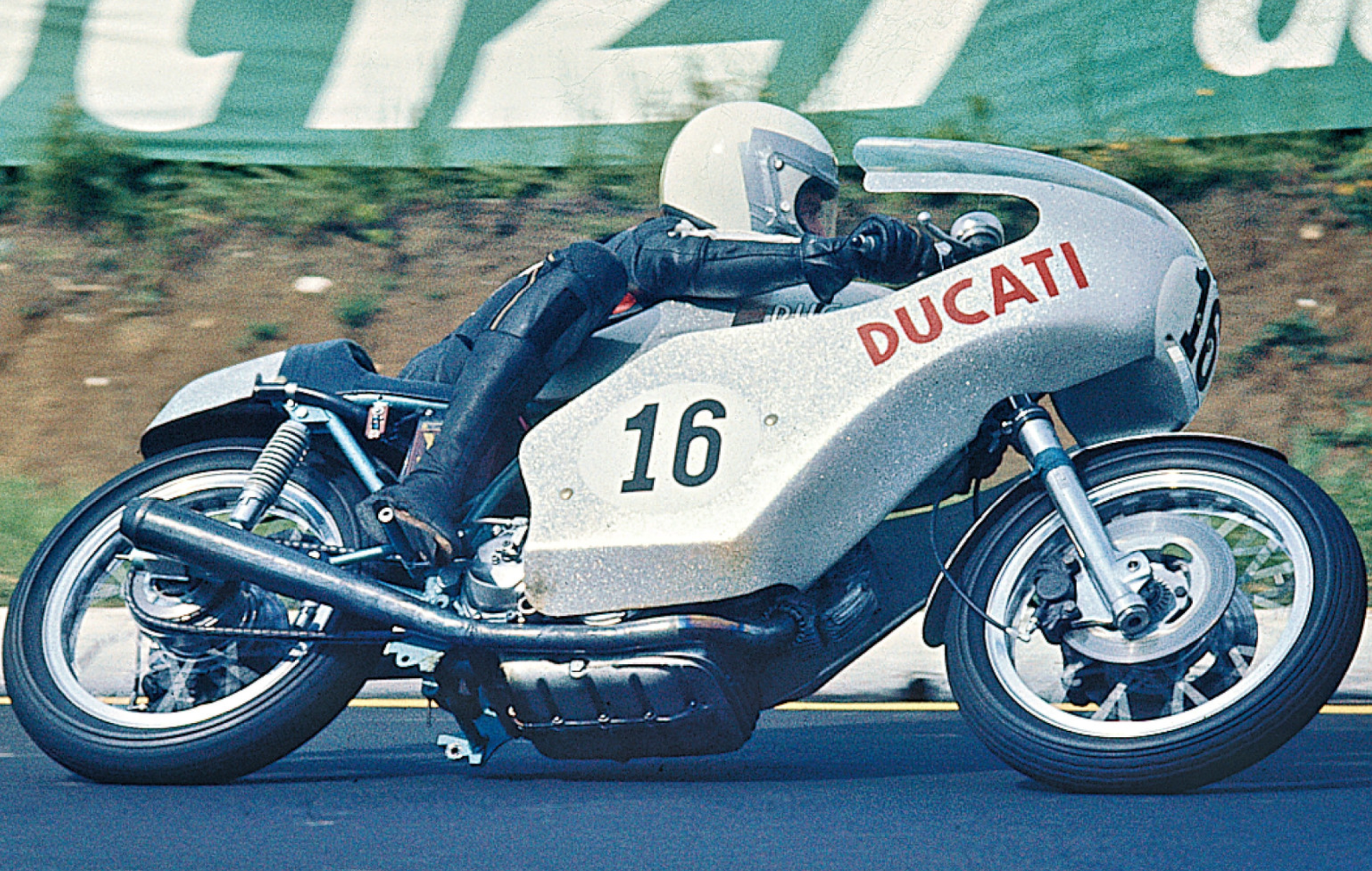
Paul Smart claimed victory, while Bruno Spaggiari secured second place, giving Ducati a sensational one-two finish. The success immediately transformed the company’s international reputation and demonstrated the enormous potential of Taglioni’s bevel-drive V-twin.
Demand for a road-going version quickly followed. Customers wanted the motorcycle that had conquered Imola, and Ducati recognised the opportunity to translate its racing success into a production machine.
From Race Bike to Road Bike
Creating a production motorcycle based on the Imola racers proved far more complex than simply adding lights and a registration plate.
The Imola machines were purpose-built racing motorcycles, developed with one objective: winning races. Producing a road-going equivalent required Ducati to strike a careful balance between racing pedigree, practicality and manufacturability. Development therefore continued throughout 1973.
Rather than arriving immediately at the production Super Sport, Ducati built and evaluated a succession of prototypes, each refining the concept a little further. These machines explored everything from bodywork and ergonomics to mechanical details and manufacturing solutions. Each represented another step towards what Ducati believed should become the ultimate sporting road motorcycle.
The Forgotten Prototypes
One of the earliest public appearances came at the Turin Motor Show, where Ducati presented an early interpretation of the forthcoming Super Sport. While unmistakably influenced by the Imola racers, development was still ongoing and many details would continue to evolve.
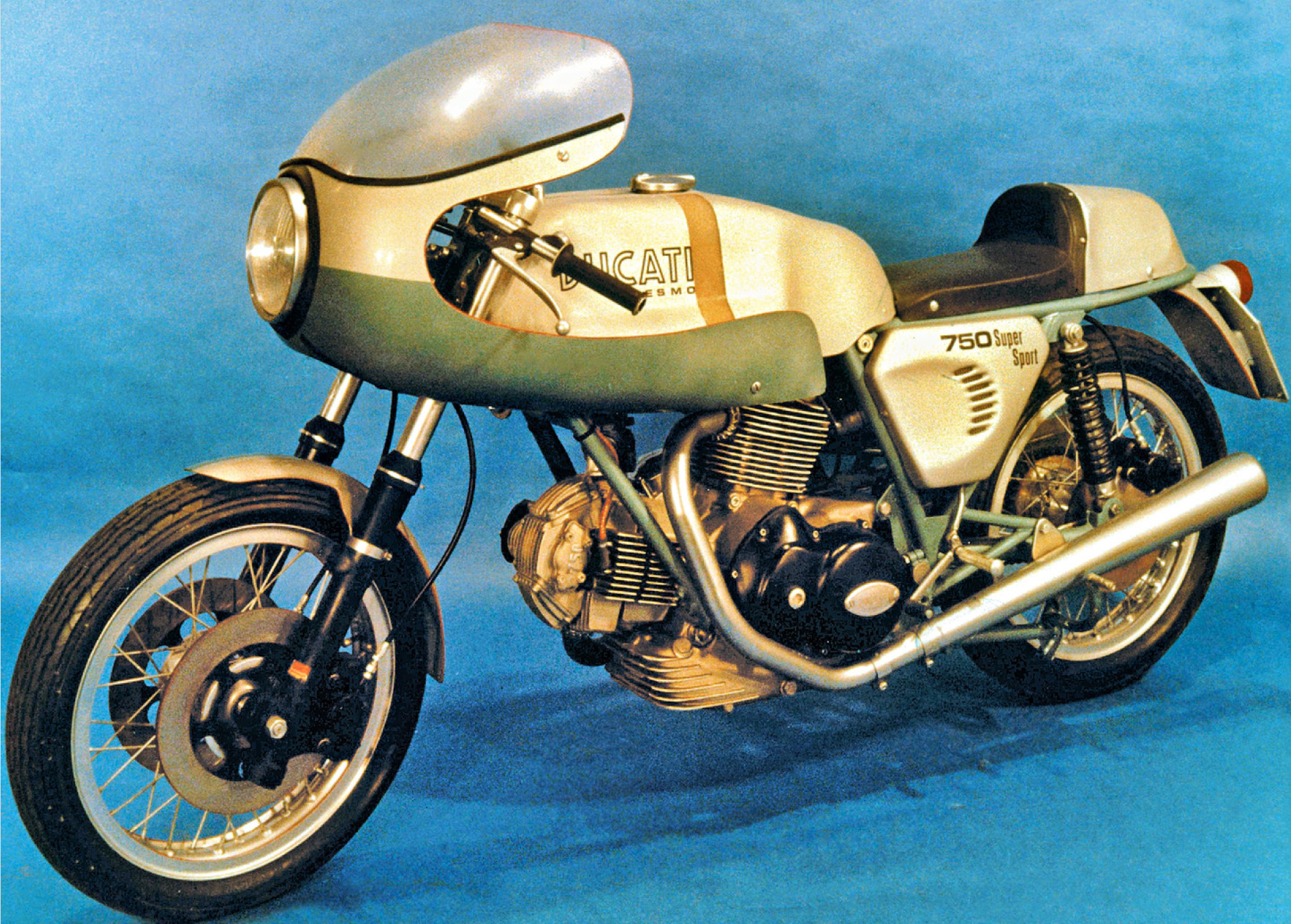
Throughout 1973, additional development motorcycles appeared as Ducati refined the design. Some features were introduced only to disappear again. Others survived into production and became defining characteristics of the famous Green Frame.
These prototypes reveal something fascinating about Ducati during this period. The company was not merely developing a new model. It was defining a new identity, creating a production motorcycle that carried the DNA of a race winner and established Ducati as a manufacturer of world-class sporting motorcycles.
The Final Prototype
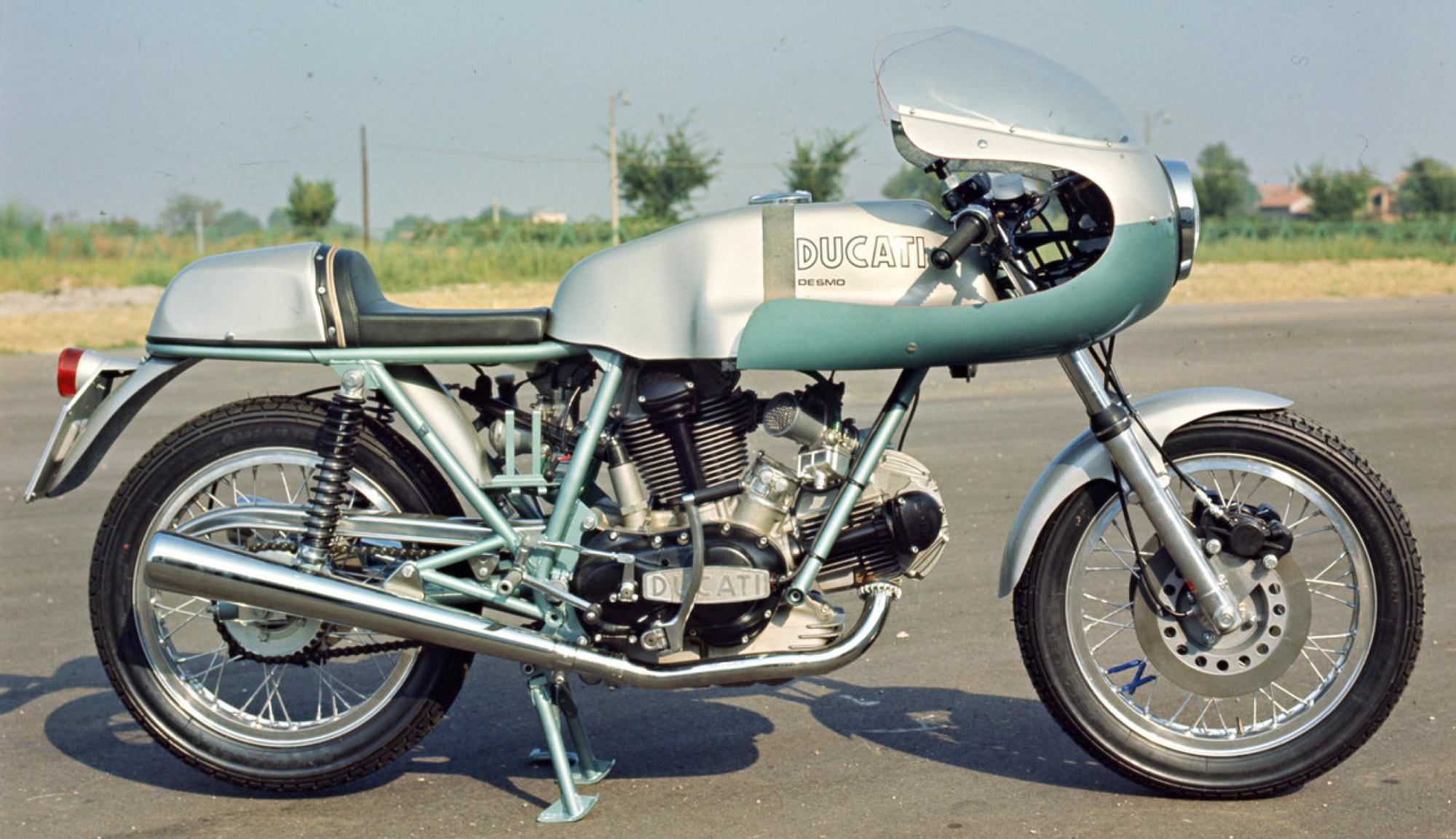
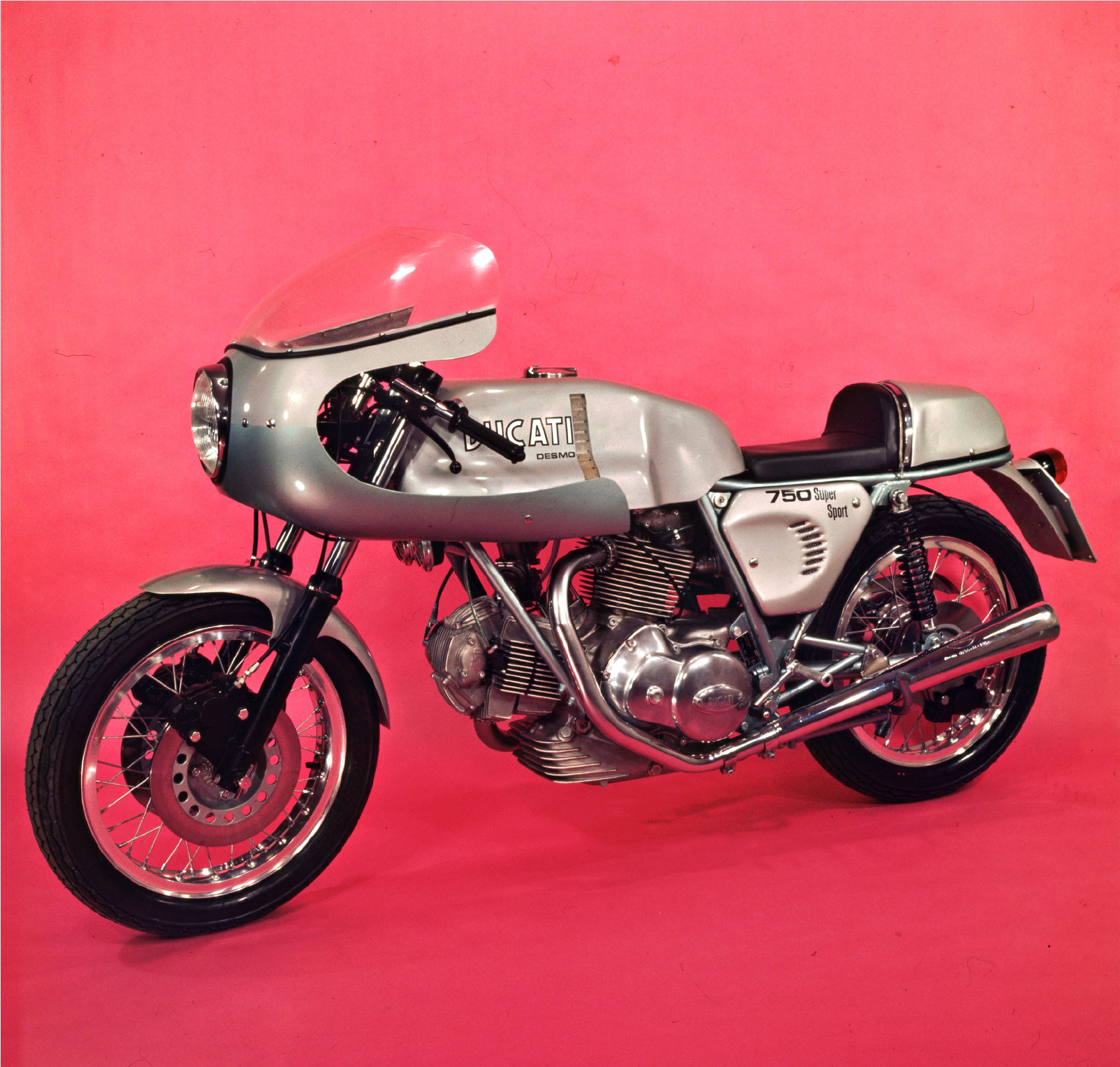
The culmination of this development programme arrived in November 1973 at the Milan Motor Show. The motorcycle displayed there represented the final prototype before production commenced in 1974. At first glance it appears remarkably similar to the famous Green Frame, yet closer inspection reveals numerous subtle differences that illustrate how Ducati was still refining the design.
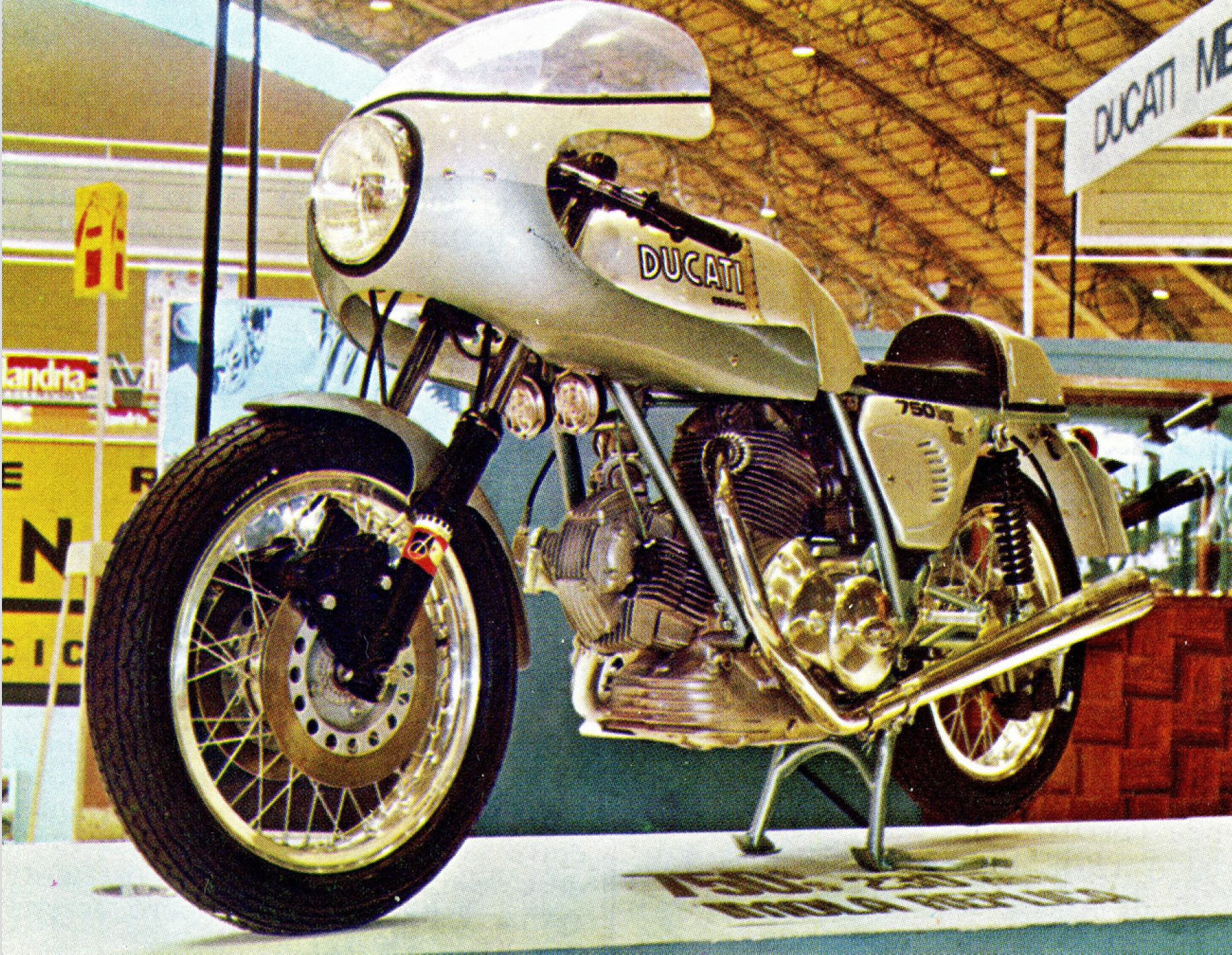
Some changes reflected engineering development. Others improved manufacturability or production efficiency. Collectively, they demonstrate the final steps required to transform a prototype show motorcycle into a machine suitable for series production.
Although often overshadowed by the production Green Frame, the Milan Show prototype occupies a unique position in Ducati history. It represents the exact moment where the legendary Imola racers evolved into one of the most celebrated production motorcycles ever built.
Recreating a Missing Chapter
The original Milan Show prototype is no longer known to exist. To preserve this important chapter in Ducati history, we undertook the construction of a faithful recreation in 2016 for a passionate Ducati collector. Extensive research was carried out to ensure that the motorcycle accurately reflected the appearance and specification of the original prototype.
The project benefited from an extraordinary foundation. The recreation was built around a genuine New-Old-Stock Ducati factory replacement frame, still wearing its original factory paint. Originally supplied to British Ducati importer Vic Camp as a spare for a 1974 racing programme, the frame remained unused for decades, wrapped in its original protective paper before finally becoming part of this unique project. Like the prototype it recreates, the frame carries no frame number.
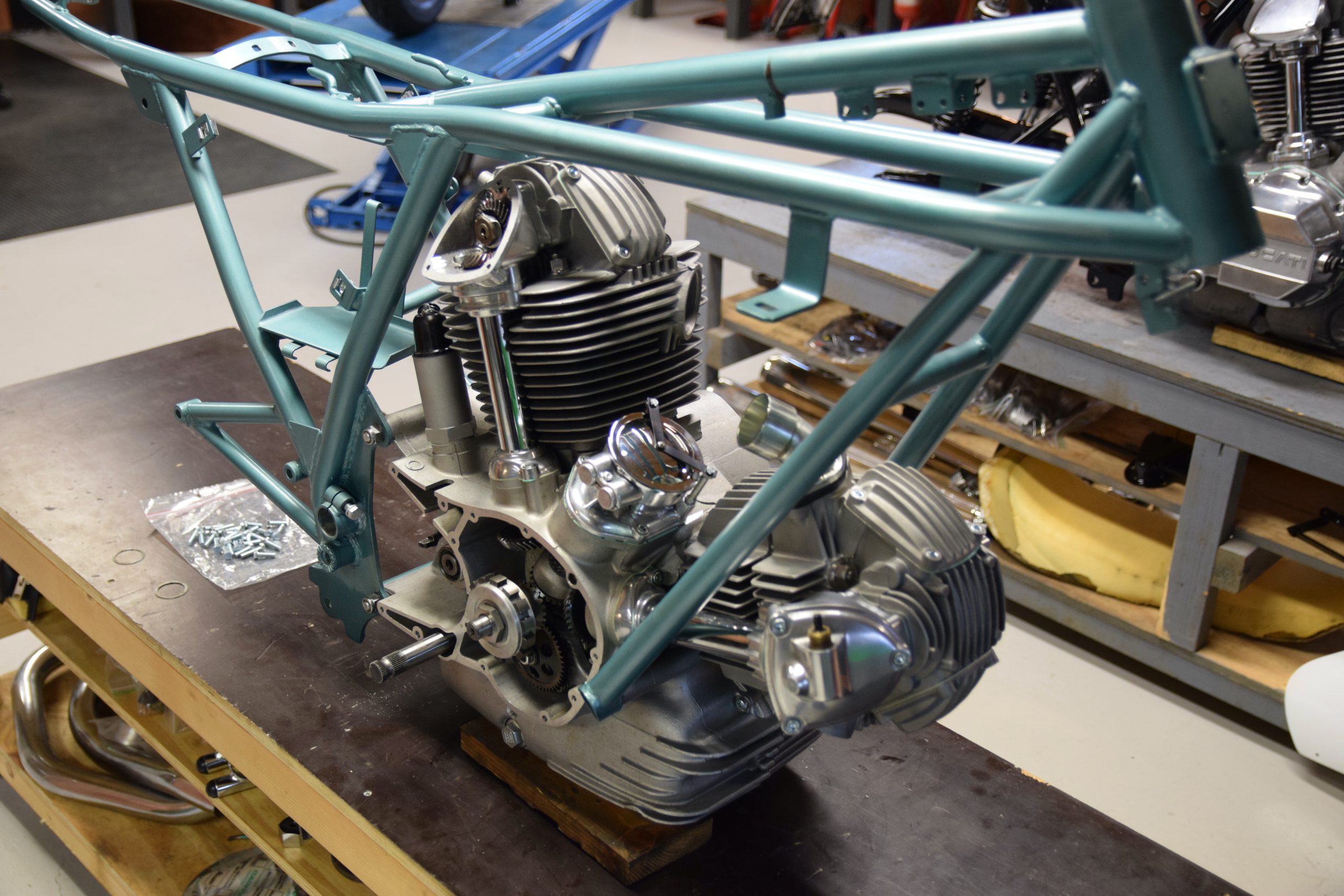
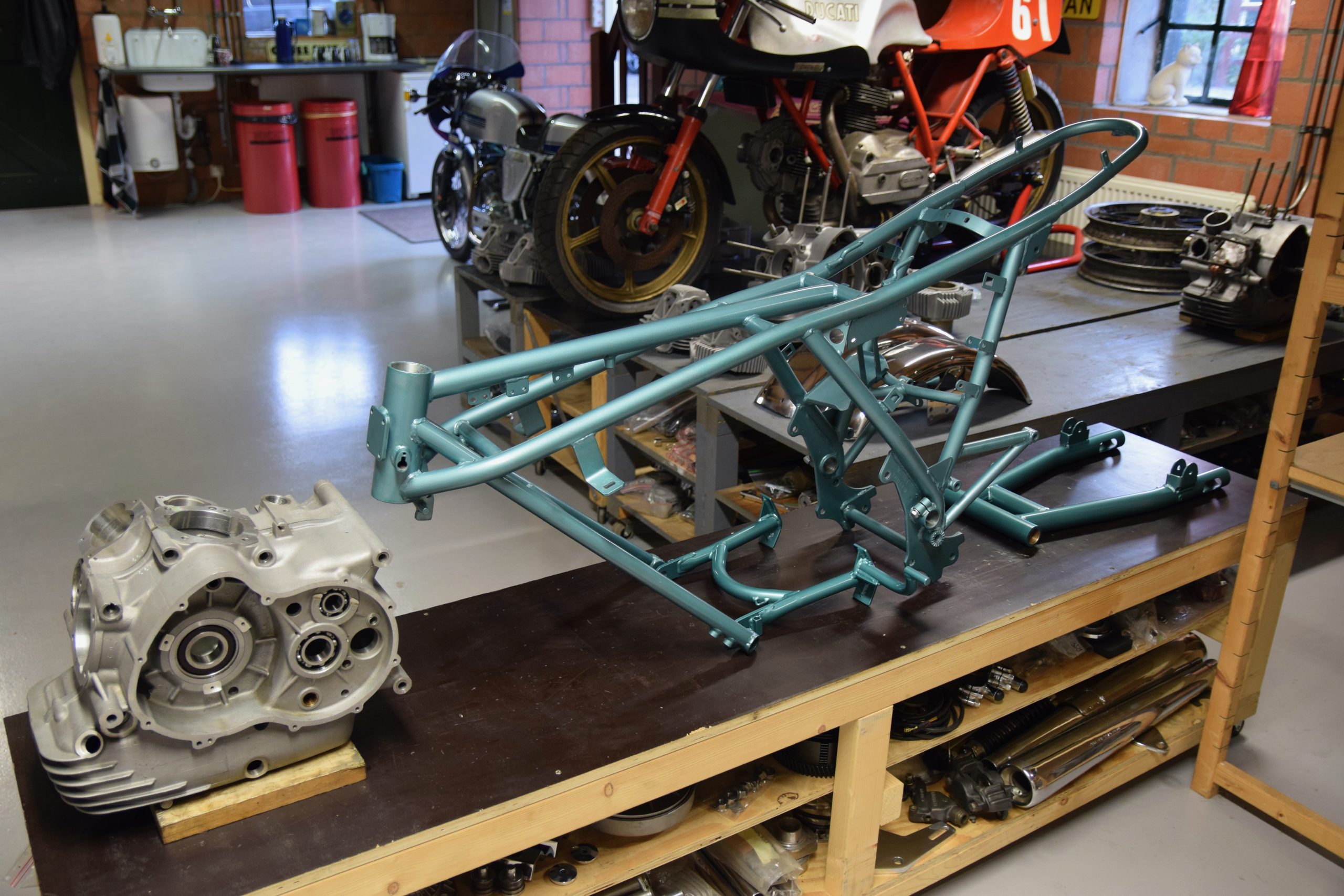
Equally remarkable is the engine, based on a New-Old-Stock set of original unstamped Ducati 750 crankcases. Built to authentic 750 Super Sport specification with painstaking attention to detail, it remains in unused condition, faithfully reflecting the spirit of the original prototype.
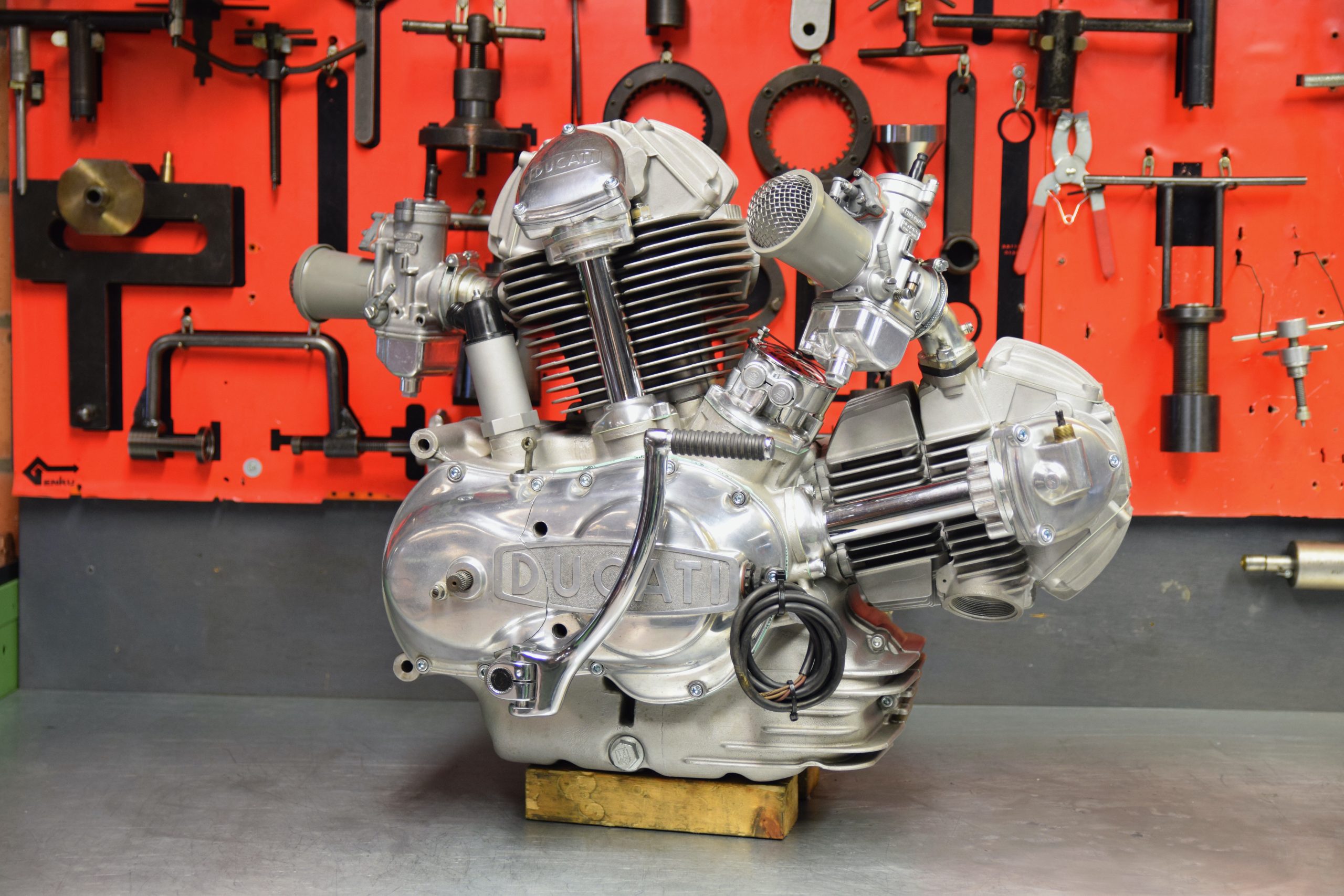
The recreation has since been documented and evaluated by renowned Ducati historian Ian Falloon, whose report highlights both the historical importance of the Milan Show prototype and the exceptional accuracy of the project.
More Than Just a Replica
For the past decade, this remarkable recreation has been displayed in a private collection, serving as much as an art piece as a motorcycle. Its significance extends beyond its mechanical components or visual appeal.
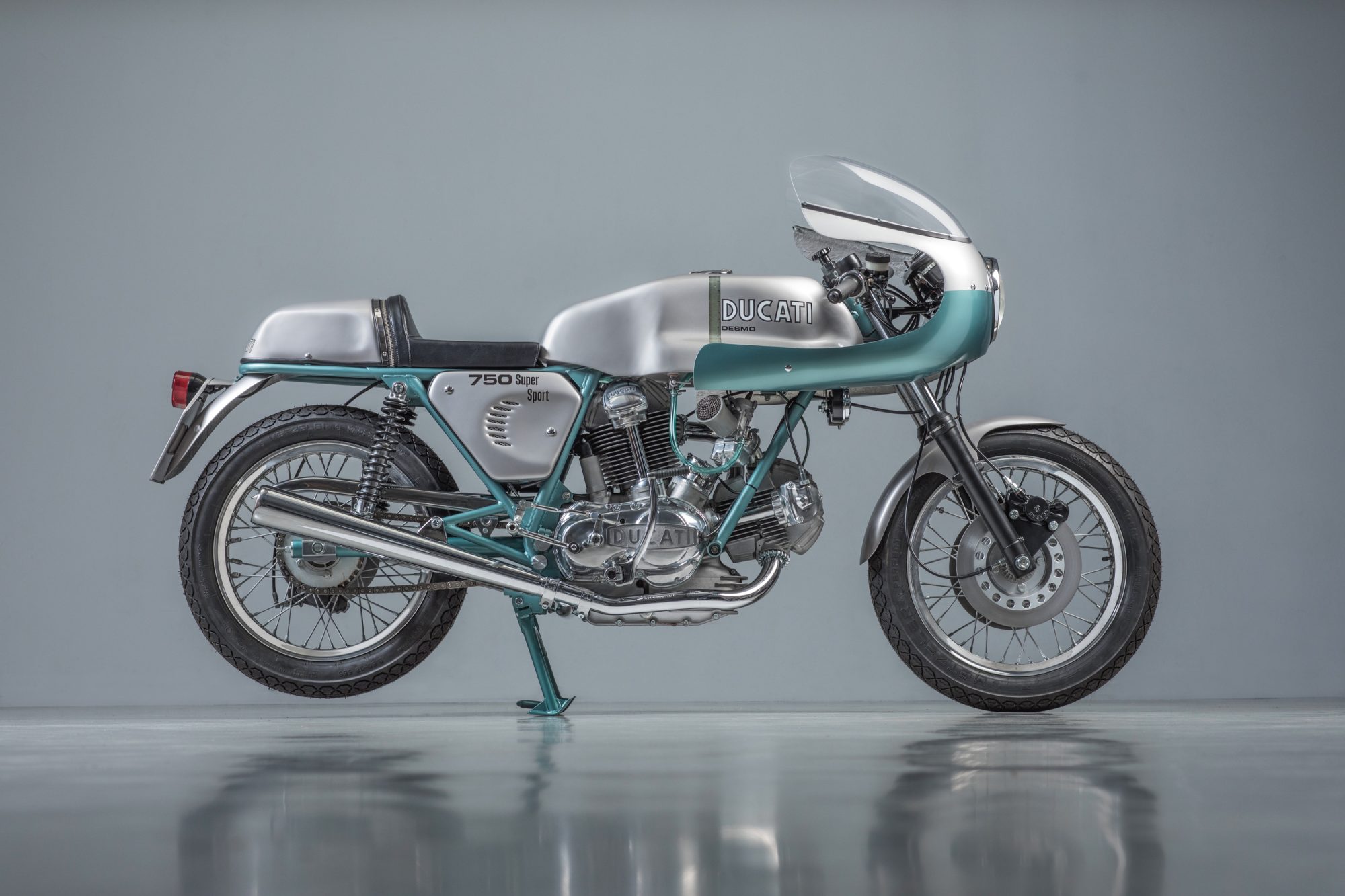
It tells the story of Ducati’s transformation during the early 1970s, when a relatively small Italian manufacturer used racing success to establish one of the most iconic sporting motorcycles ever produced. Without the Imola victory, there may never have been a Super Sport. Without the succession of development prototypes, there would have been no Green Frame.
The Milan Show prototype therefore represents far more than an interesting footnote. It is the missing link between Ducati’s greatest racing triumph and one of the most celebrated motorcycles in the marque’s history.
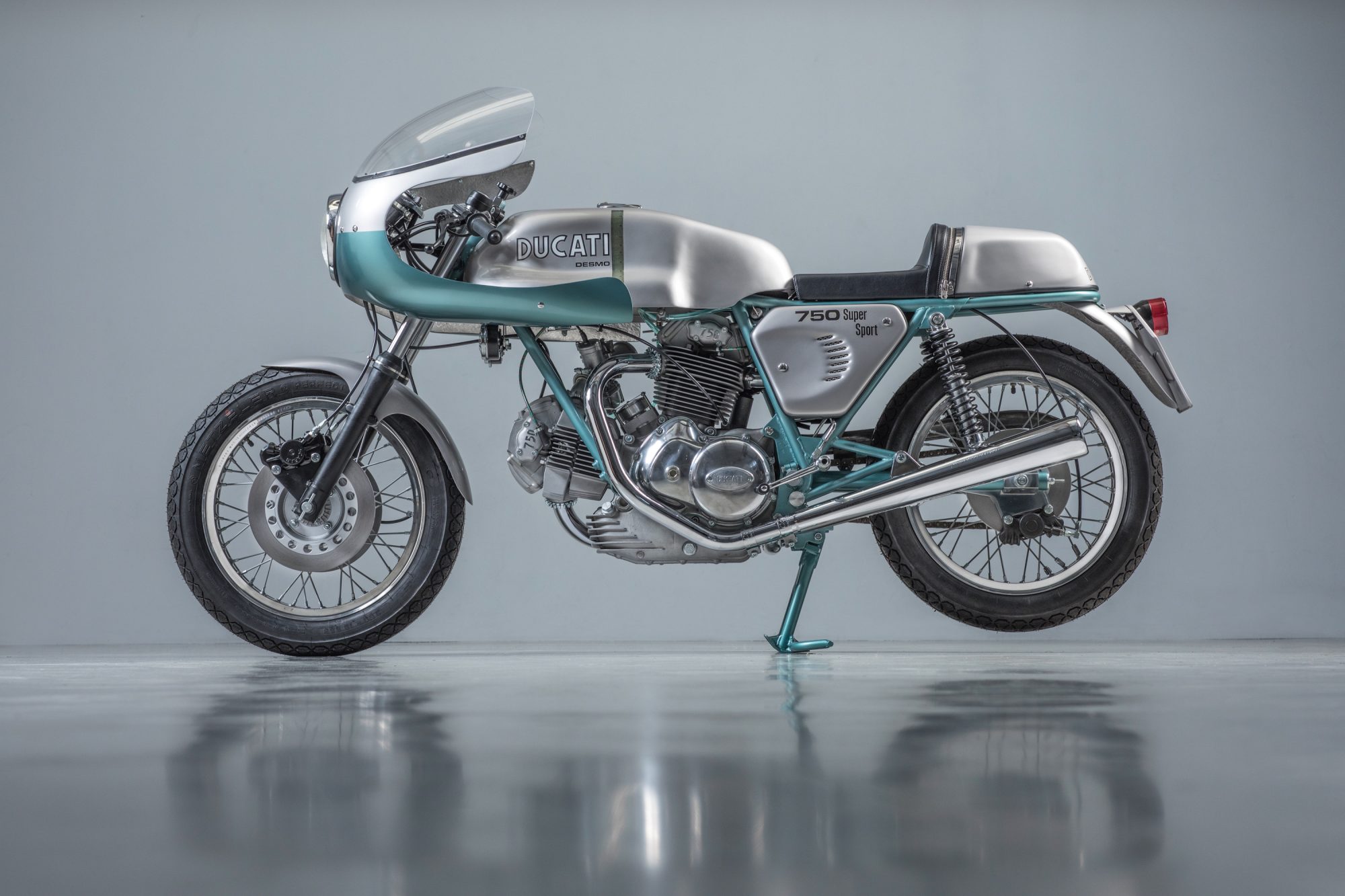
It reminds us that legends are rarely created in a single moment. They evolve through experimentation, refinement and the determination to turn an ambitious idea into reality. The Green Frame became a legend, the Milan Show prototype is how that legend was born.