
Ducati’s Biggest Mistakes
A personal countdown of the motorcycles and decisions that, in my view, took Ducati furthest from its strengths.
Ducati has built some of the most exciting sports motorcycles in the world. But its history has never been a straight line from one success to the next. The company has experimented with scooters, small two-strokes, cruisers and radical new designs—sometimes with fascinating results, and sometimes with motorcycles that leave me wondering what happened in the meeting.
This countdown is not an objective ranking of Ducati’s worst-selling or least reliable models. It is my personal selection, based on nearly twenty years of working with classic Ducatis. Some of these bikes are excellent to ride. Some were technically ambitious. My question is whether they felt right for Ducati.
A personal top ten
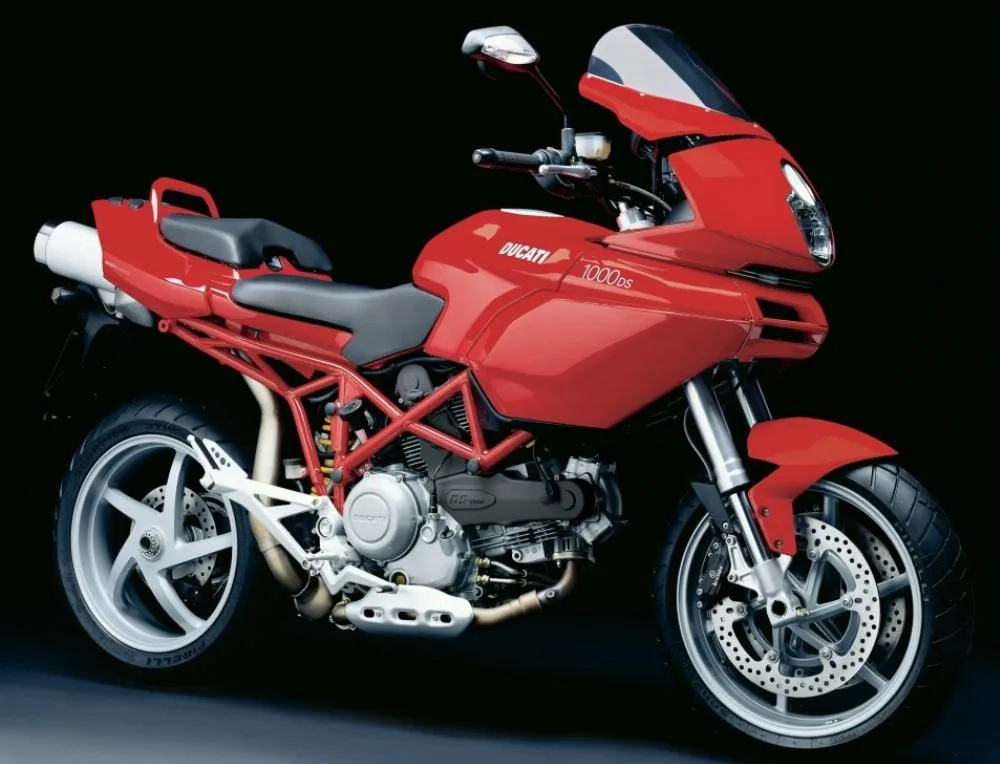
At number ten is the first-generation Multistrada. The idea behind it made sense: Ducati needed a comfortable, versatile motorcycle for real roads and longer journeys. It rides beautifully, but its tall front end and unusual proportions have never worked for me. Later Multistradas would become an important part of Ducati’s identity; the original still looks like an awkward departure from the compact, purposeful sports-bike image I associate with the brand.
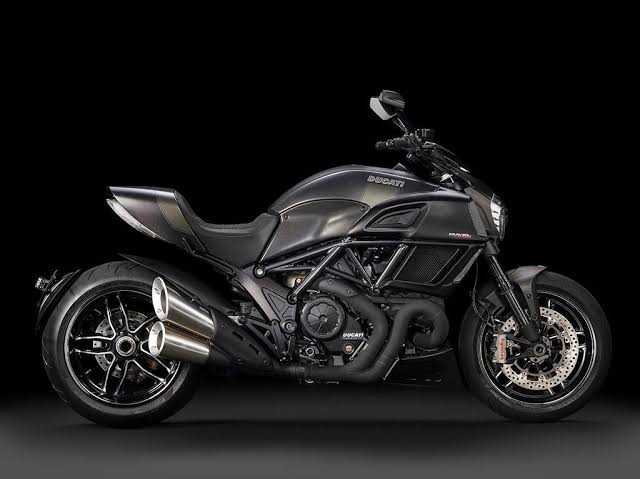
The Diavel, at number nine, was a more successful move into unfamiliar territory. Ducati built a powerful, muscular cruiser with handling that is remarkably good for the genre. I can respect that achievement and still ask the question: a chopper from Ducati? To me, the Diavel is imposing and cumbersome-looking, a long way from the light-footed character I expect from the marque.
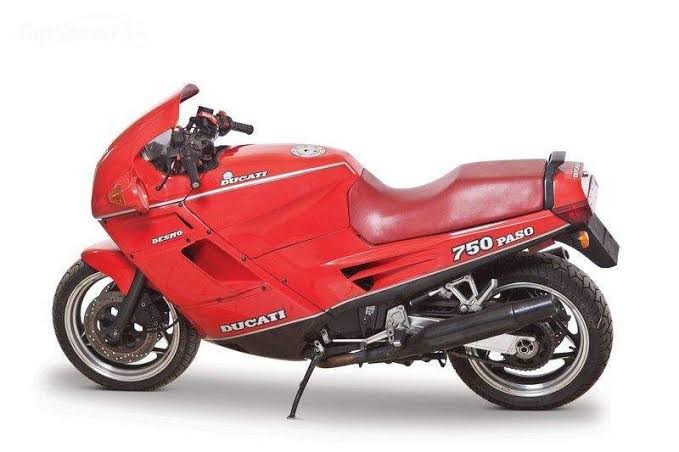
Number eight is the Paso. Massimo Tamburini was one of the most accomplished designers in motorcycling, and the Paso had serious engineering behind it. It also handled extremely well. But its fully enclosed bodywork makes the bike look too large and heavy to my eye. The Bimota DB1 shows how much more compact and elegant a fully faired Italian twin could look.
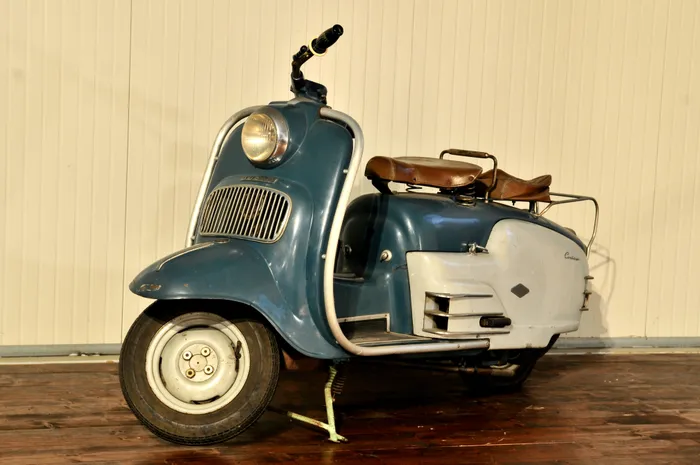
At number seven are Ducati’s scooter experiments: the Cruiser and the Brio. The Cruiser was an ambitious, technically complex machine; the Brio was a later attempt to make a simpler scooter. Both tell us something about Ducati searching for new markets and a place in the postwar motorcycle world. They are interesting pieces of history, but they sit far from the sporting identity the company would later build.
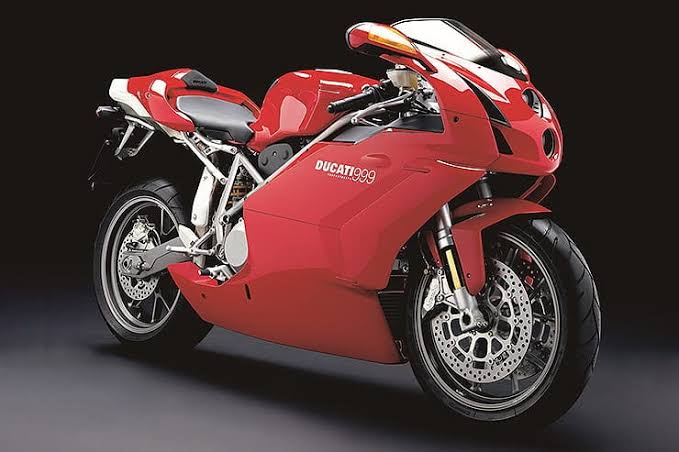
The 999 takes number six. Its engineering and racing record are impressive, and it is more comfortable on the road than the 916 generation it replaced. My issue is the design. The 916 looked like a single, flowing sculpture; the 999 felt less integrated and less graceful. Following an icon was never going to be easy, but the 999’s sharp break with its predecessor left many riders divided.
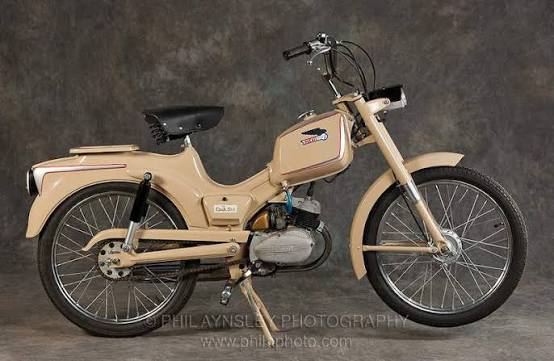
At number five are the Brisk and Piuma, two examples from Ducati’s broad range of small two-stroke models. They were part of an attempt to build volume and reach customers looking for everyday transport. That was a valid business ambition, but most of these mopeds feel anonymous and dull to me. They are a long way from the focused, race-oriented motorcycles that made Ducati famous.
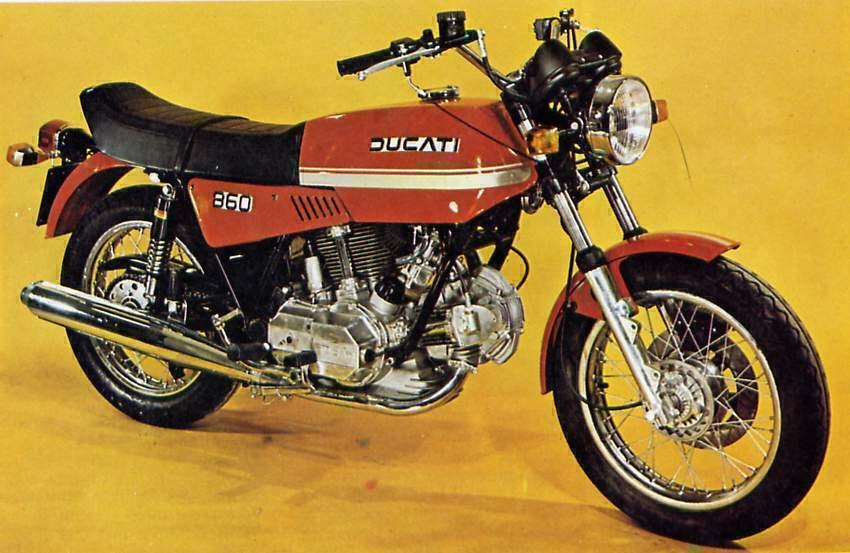
The 860 GT comes in at number four. It was an important technical development of Ducati’s bevel-drive twin, but the design by Giorgetto Giugiaro is dominated by rectangles and straight lines. The result feels angular and inelegant. The later 860 GTS softened the look, and the Darmah showed how much more harmonious the same family could be.
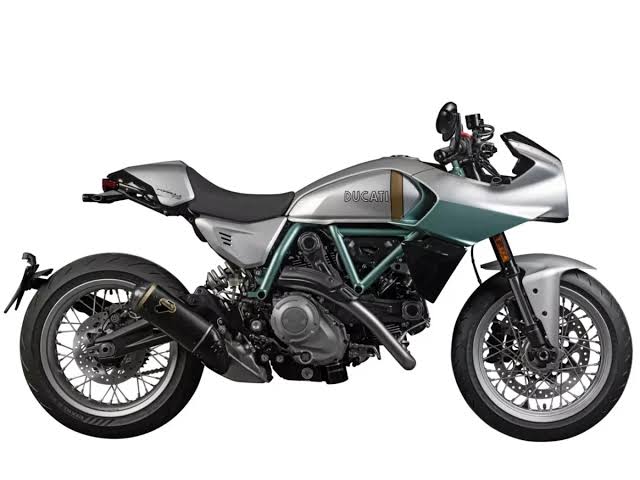
At number three is the Formula 73. Ducati’s centenary year should be an opportunity to tell its history with depth and care. After almost twenty years working with classic Ducatis, my experience is that the accessible archive of drawings, prototypes, production records and technical development from the earlier decades remains remarkably thin. The museum contains important motorcycles, but a display of historic machines is not the same as a deep, accessible historical record.
That makes the Formula 73 especially frustrating to me. The 1974 750 Super Sport is one of the most iconic motorcycles Ducati ever built. The Formula 73 feels like a Scrambler dressed up for a centenary celebration, with a headlight that looks like a lunchbox and a heritage connection that seems superficial. To me, it is more marketing exercise than meaningful tribute.
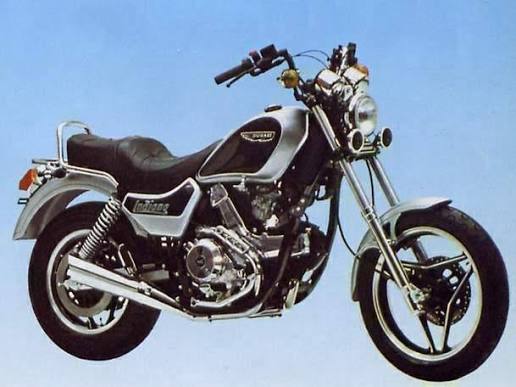
The Indiana is number two. Ducati’s attempt to enter the cruiser market produced a motorcycle that looks and feels far removed from its sporting strengths. The square-section frame, the overall styling and the character of the bike never come together as a convincing Ducati, in my view. It remains one of the most striking examples of the company trying to find a place in a category where it did not naturally belong.
At number one is the Parallel Twin range. This is not just about one model’s styling or performance; it is about an entire development direction. Ducati committed to a new range intended to replace its singles, while Fabio Taglioni was pursuing a different future for the company. The parallel twins had a short life, while the later Pantah L-twin platform went on to shape Ducati for decades.
The Parallel Twin was heavy, slow and ugly. It was in many ways the anti-Ducati.
Mistakes, or necessary experiments?
Not every motorcycle in this list was a failure, and not every one was a bad bike. Some were successful, some rode exceptionally well, and others were bold experiments that simply did not fit the Ducati I value. That is what makes the list personal: it is about where I think the company lost sight of its strongest qualities.