
TECHTALK – PAINTING CLASSIC DUCATI’S
A paint-job can make or break a restoration project. After all, the paint on the frame and bodywork is the most eye-catching aspect of a motorcycle. When restoring a classic Ducati, we are presented with a number of issues; how do we reconcile originality, good looks and modern technology?
As always at Back to Classics we take originality as the starting point. How did Ducati paint the different parts back in the 1960’s, 70’s and 80’s? That alone is a question with many answers. As we will see, several paint systems and applications were used throughout the years and they all need a different approach when it comes to restoration.
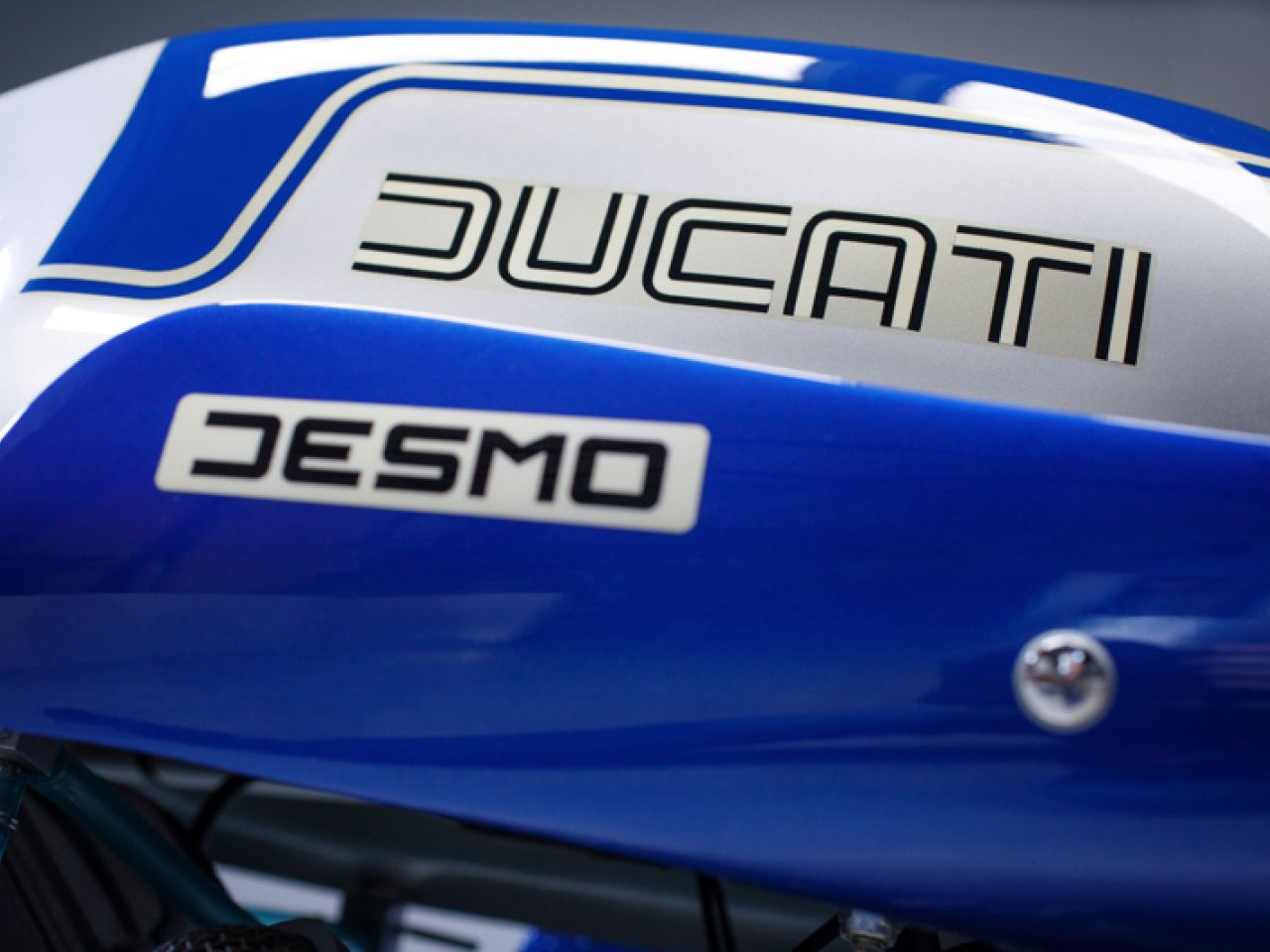
CELLULOSE PAINT
Almost all steel parts (like frames, mudguards, fuel tanks etc.) up to the 1980’s were originally painted with cellulose base paint as this was the most common paint system for cars and motorcycles. Cellulose paint can be applied under very simple conditions as it dries almost immediately. As the paint doesn’t have a natural gloss, the individual parts were polished to give it a shine. No clear coat finish was applied and decals were put directly on top of the paint after polishing.
You can imagine that this finish leaves the bike unprotected from UV radiation or wear. This is why many cars and bikes that still have original paint are rather dull. In fact, cellulose paint needs constant polishing to make it shine and will then become dull again over time.
Ducati used this paint system up to around 1976 when bikes originally had no clear coat over the paint and decals. After 1976 Ducati remained with cellulose paint but a clear coat was applied over the paint and decals. This clear coat is a very good protection for UV radiation and preserves the decals much better.
After the 1980’s cellulose paint was gradually replaced, first by thinner based systems and later by acrylic (water-based) paint systems. All major paint manufacturers went along with this development and cellulose paints became less and less available. Nowadays you will struggle to find possibilities to use cellulose paints, at least in the desired colours. So, we have to resort to a modern paint system when restoring our beloved Ducati’s, more on this later!
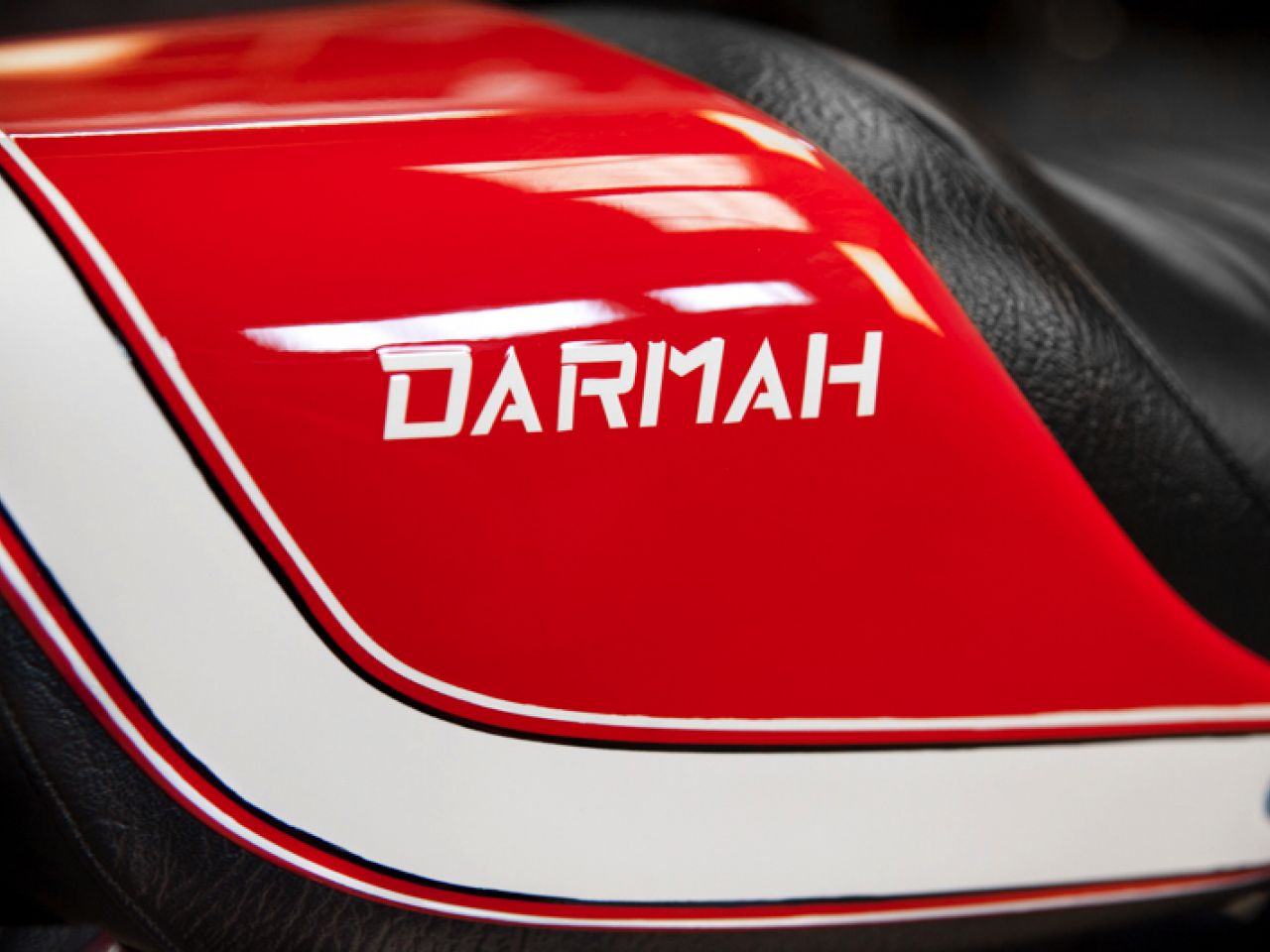
FIBREGLASS GEL COAT
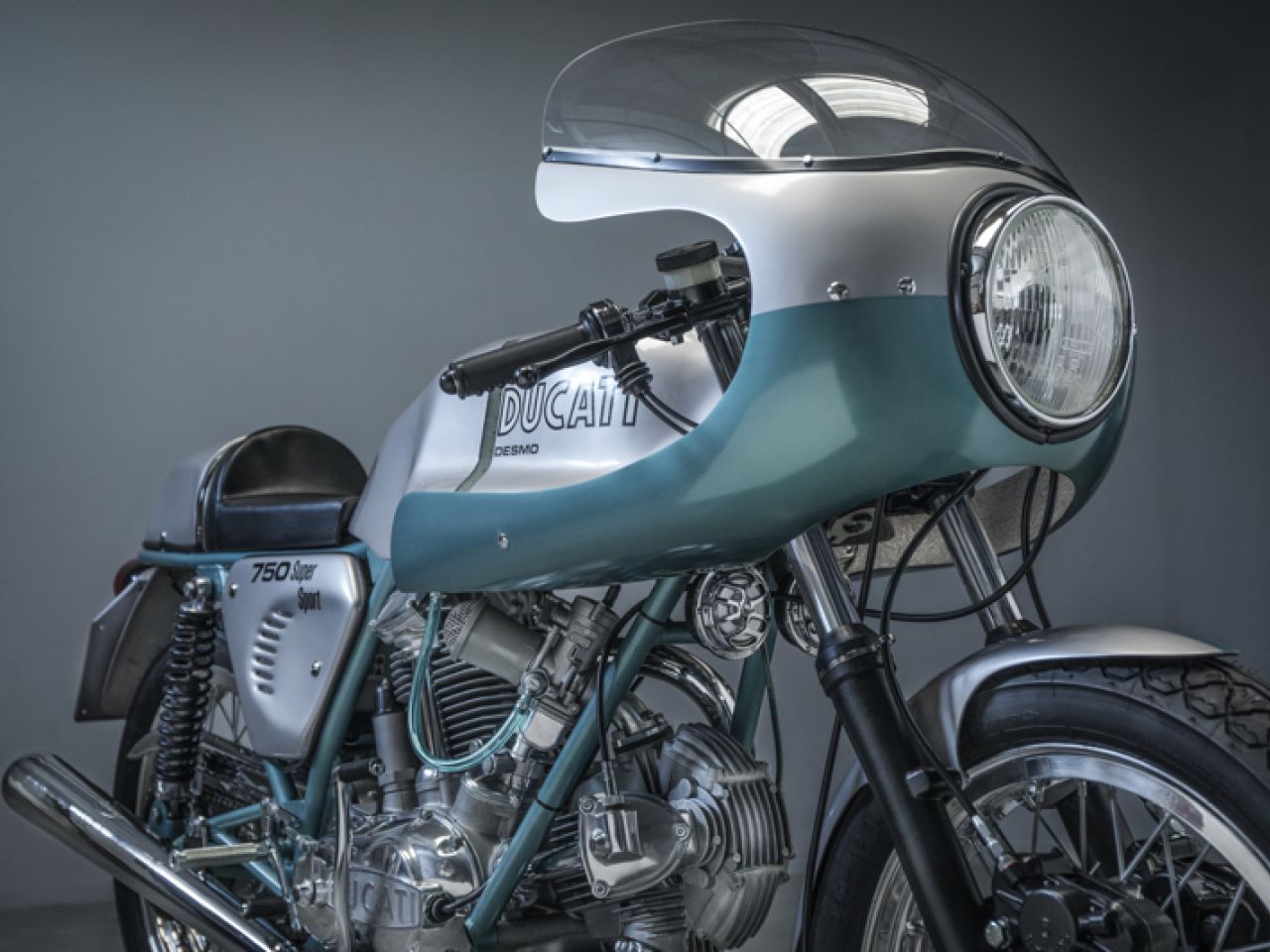
In the early 1970’s, many parts on Ducati’s were made from fibreglass which was not painted at all; the colour was embedded in the outer gel coat of the fibreglass parts. As with cellulose paint, the parts were polished to get them to shine and decals were placed directly on top with no clear coat applied.
The 1974 Ducati 750 Super Sport was the first bike to get fibreglass parts that were painted. Many of the parts for this model were made with the same colour yellow gel coat as was used for the 1972-74 750 Sport models but painted silver and green, still without a clear coat. This process was also used on the 1975 Super Sports, after which a clear coat was also applied to these painted fibreglass parts.
We have now developed a lot of parts made in the correct colour gel coat. This enables us to restore 750 Sports and GT’s not only in the correct colour but also using the correct application and finish.
DECALS
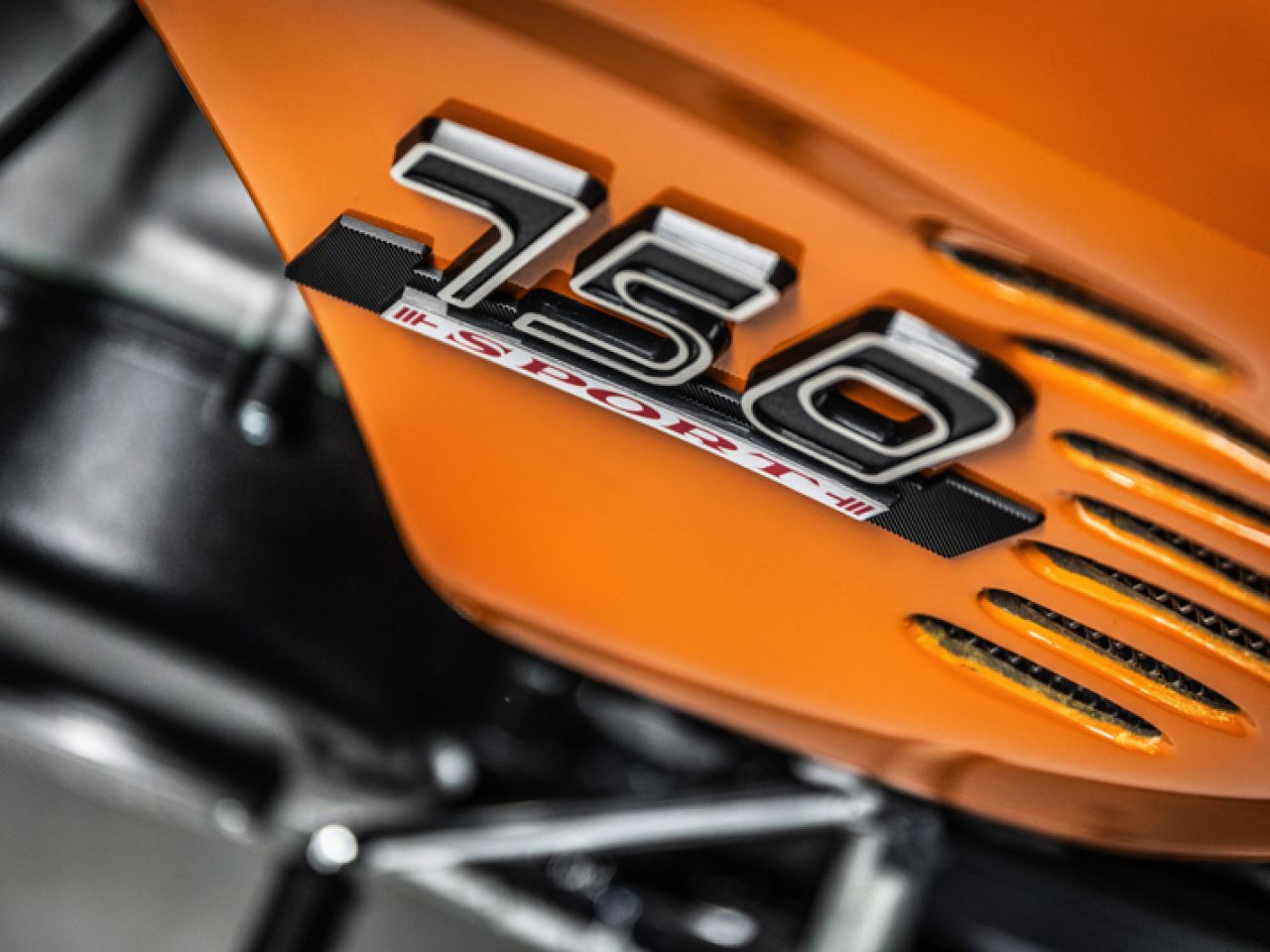
All decals applied on pre-1976 bikes were the waterslide type and, as we have seen, without any clear coat over it. This made sense as the waterslide decals that were available in those days were not suitable for use under a clear coat. This has developed over time and we now offer a range of waterslide decals that can be used with or without a clear coat finish. After 1976 Ducati changed to vinyl decals because these were suitable for use under clear coat, also back then. For these models, we offer a range of vinyl decals.
A MODERN PAINT SYSTEM
So, where we can replicate the original finish on fibreglass parts and have the correct decals available, we still need an alternative for the cellulose paint system that is no longer obtainable. We could go for the most used acrylic (water-based) paints but disadvantages of these paint systems include long drying times, and limited toughness. The major disadvantage however is that it easily runs under masking tape, so when painting two colours on the same part, a truly straight line is very hard to accomplish.
We found the best results can be achieved when using a thinner-based paint system. The drying time is rather short and it enables us to get a high-quality result. Of course, a clear coat is needed with this paint system, preferably with the decals placed underneath it for protection. The gloss and depth of this thinner-based system is much better than the originally used cellulose paint and it will remain so over a much longer period. Further, it is a much harder paint which makes it much more resistant to scratching and UV radiation.
THE RIGHT COLOUR
Now that we have chosen a paint system, comes the issue of colour. And this is not as easy as it might sound! All major paint suppliers have a colour code system, but only for use on mass produced cars. And where the colour of a certain Mercedes-Benz or Mazda might come close to what we need on our classic Ducati, it is never exactly what we need.
So, we prefer to have an original item with some original paint instead. Even then, we need to take any changes caused by UV radiation over time into account. Sometimes we need to resort to original pictures, preferably from original brochures, to get a good idea of the original colour. Then we need to replicate the colour and finish that was made using cellulose paint with our thinner-based system. This means making a lot of test samples to see if the colour matches in both artificial and natural light.
After a lot of work, we end up with a recipe that is specific for the colour we need and for the paint system we use. Because we have been restoring Ducati’s for quite some time now, we have developed a database for all classic Ducati models. This database also includes the exact position of decals and stripes and the coarseness of wrinkle finish on fork legs, shock springs and engine covers.
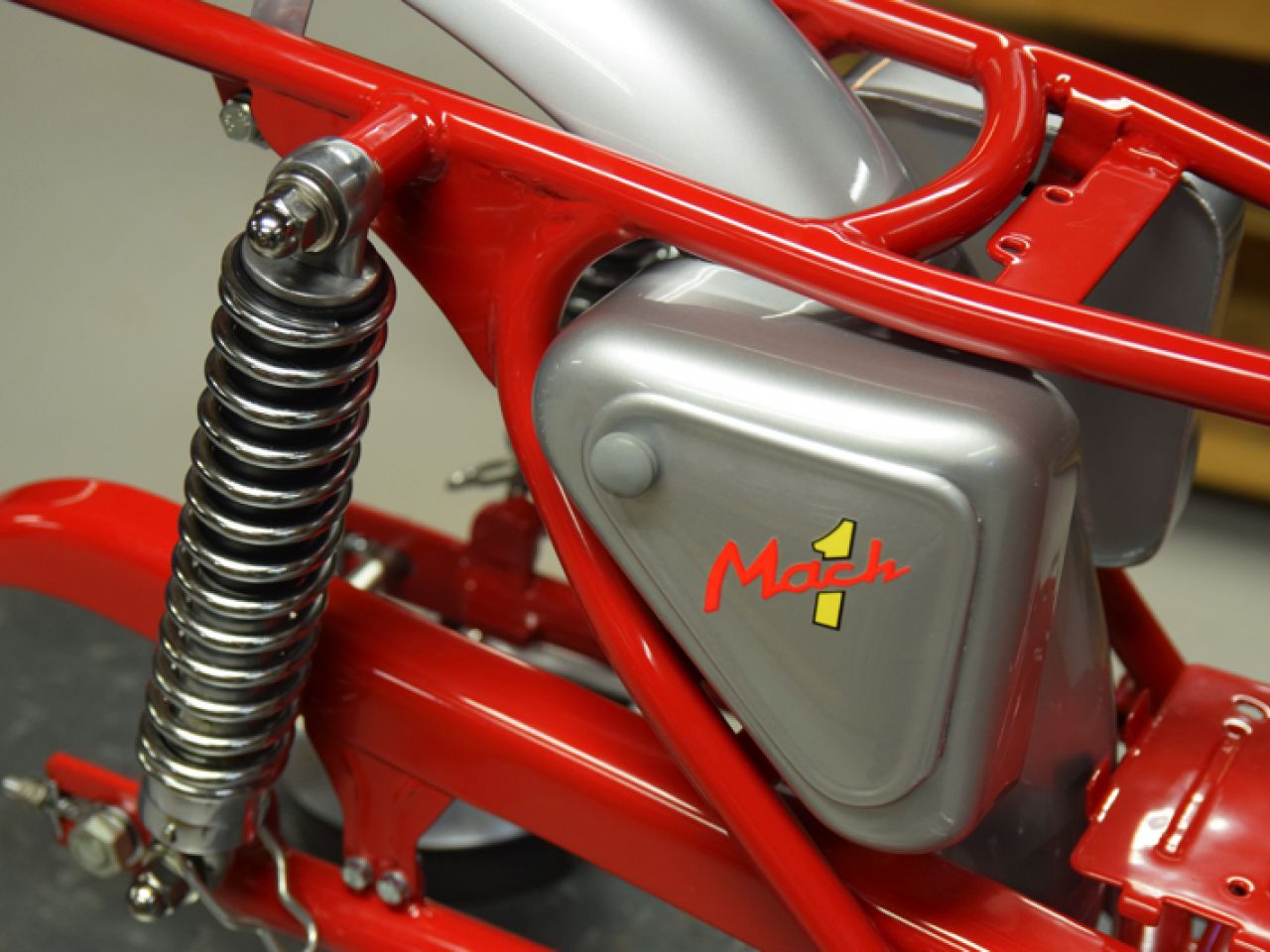
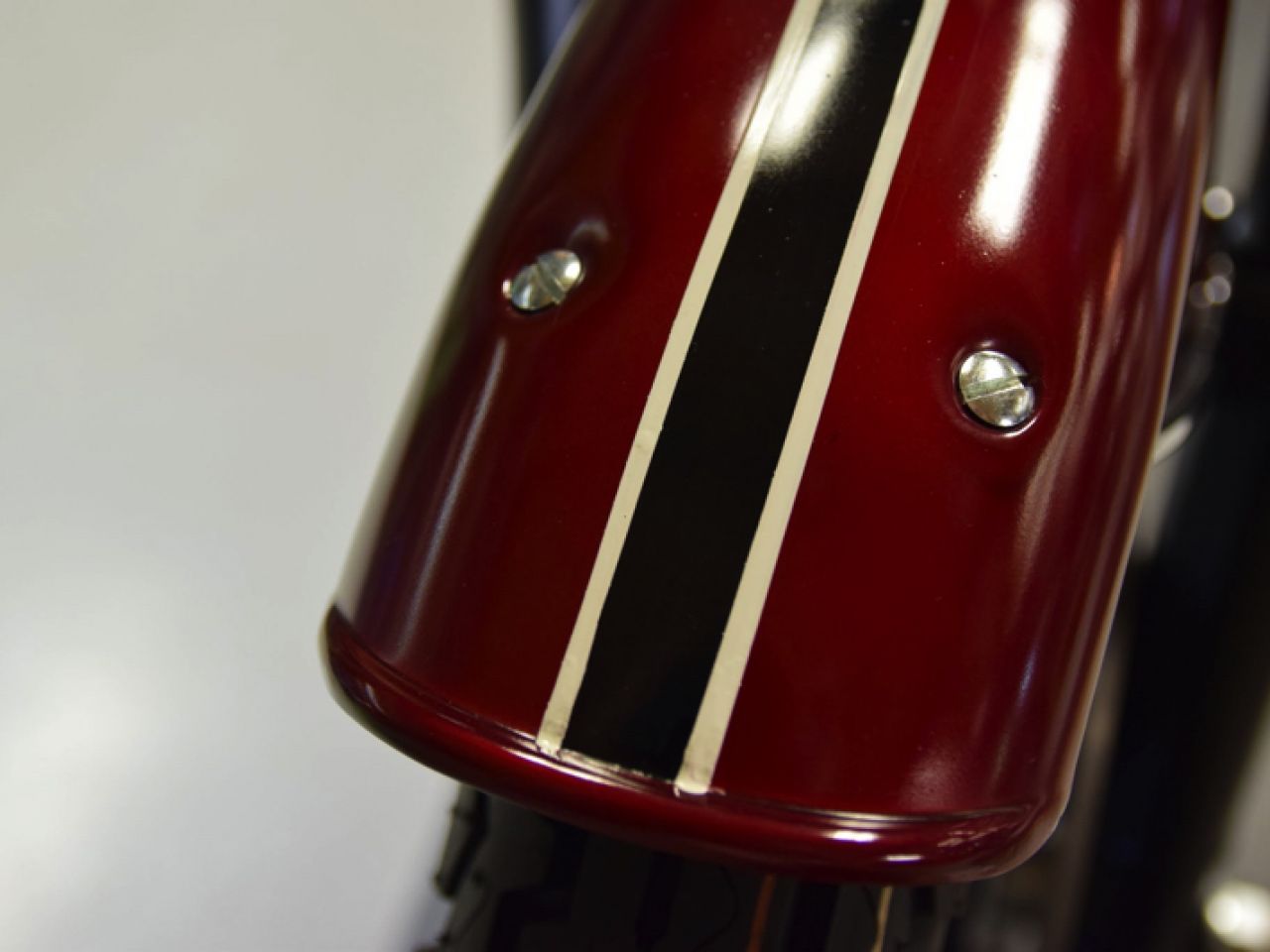
HOW WE CAN HELP YOU
We get asked a lot if we can supply colour codes for classic Ducati models. As we hope to have explained here: we don’t have them. Rather, we have a recipe for the paint system we use but this cannot easily be replicated by another paint shop as different paint systems might be in use.
What we can do however is to paint the parts for your classic Ducati for you. Either you can send us original parts or we can supply new parts from our stock including further treatment. Using our extensive database, we are sure to offer you the ultimate original paint job for your classic Ducati.