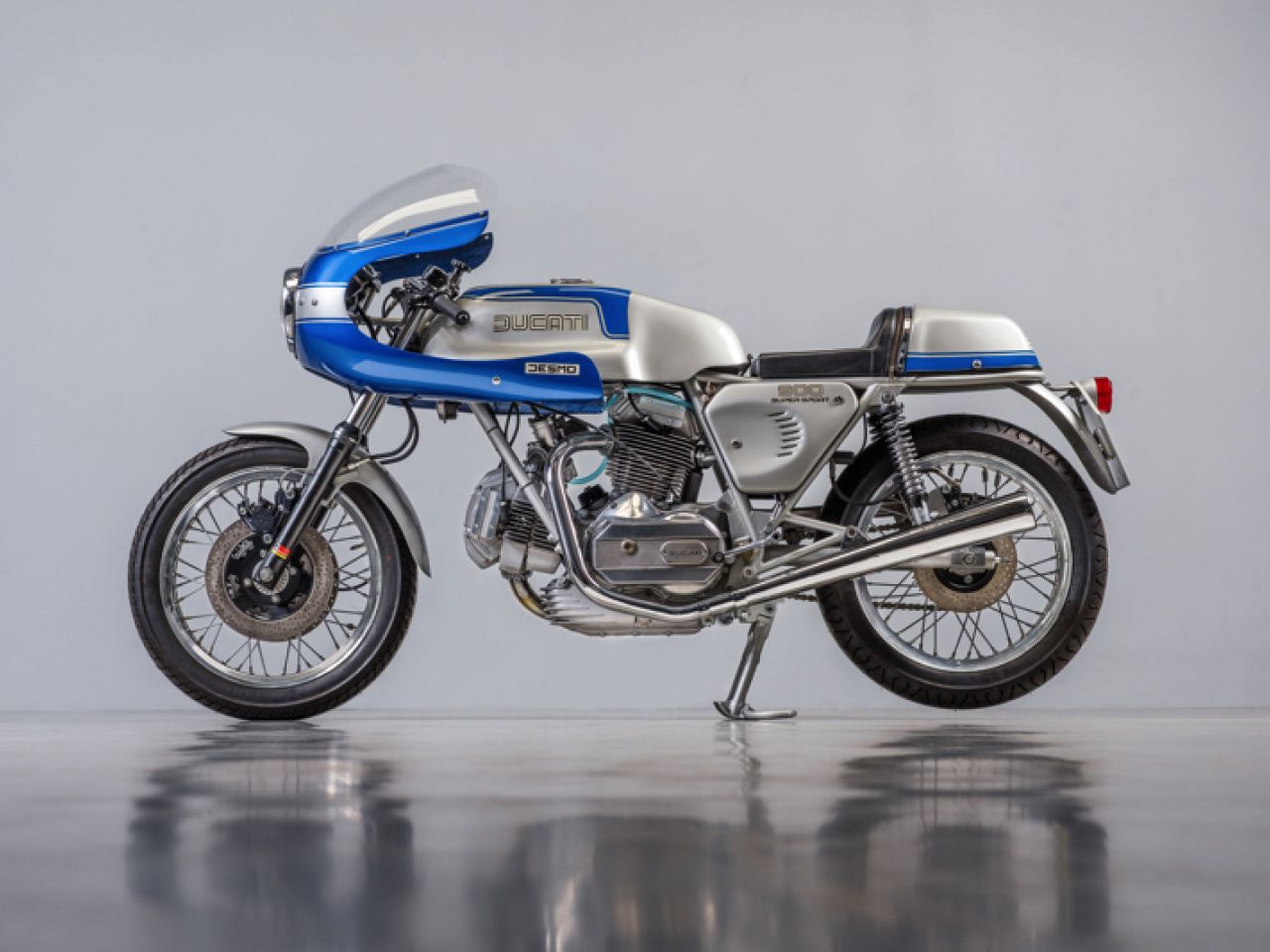
The 1975 Ducati Super Sport
In 1973 the production of the round case 750 models was well under way at Ducati. However, the low production output and – more importantly – the production costs of these models was a matter of concern for the company’s new management. So Fabio Taglioni was commissioned to further improve the engine design into something that could bring Ducati further success.
A SQUARE CASE ENGINE
The main problem with the production of the existing 750 ‘round case’ engines was the lower distribution of the bevel drive. This consisted of a total of 5 gears driven from the crankshaft, all of which had to be shimmed exactly. And to do so, the whole set-up must be assembled, disassembled and reassembled until it is to the correct specifications. No wonder it took a skilled worker in the factory up to 10 hours to complete one single 750 engine. Taglioni cleverly designed an outer plate with bearings in which the lower distributing gears could be shimmed and fitted directly. This simplified production of the engine considerably.
Further developments were mostly aimed at improving reliability of the engine; the oil pump was improved and a true oil filter was added, electronic ignition became standard and of course the displacement was brought to 860cc.
Most notable on the outside of the engine was the new modern ‘square’ design of the engine. Ducati general manager Cristiano de Eccher wanted to take the company into the new modern age and assigned famous car-designer Giorgetto Giugiaro of ItalDesign to develop a brand-new model which was to become the 860 GT. Giugiaro was known for his sharp edges and straight lines as can be seen on the Maserati Ghibli and the Lotus Esprit that came from his hand in that era. In this design context, the looks of the ‘square case’ Ducati engine comes as no surprise.
THE DUCATI 860 GT INTRODUCED
The new model 860 GT was set out to replace the 750 GT and was introduced in at the Racing and Sporting Show in England in January 1975. The modern Giugiaro design incorporated the aforementioned new engine but the square design language was taken much further into the bodywork styling and even into a new logo (at that time even with the triangular A).
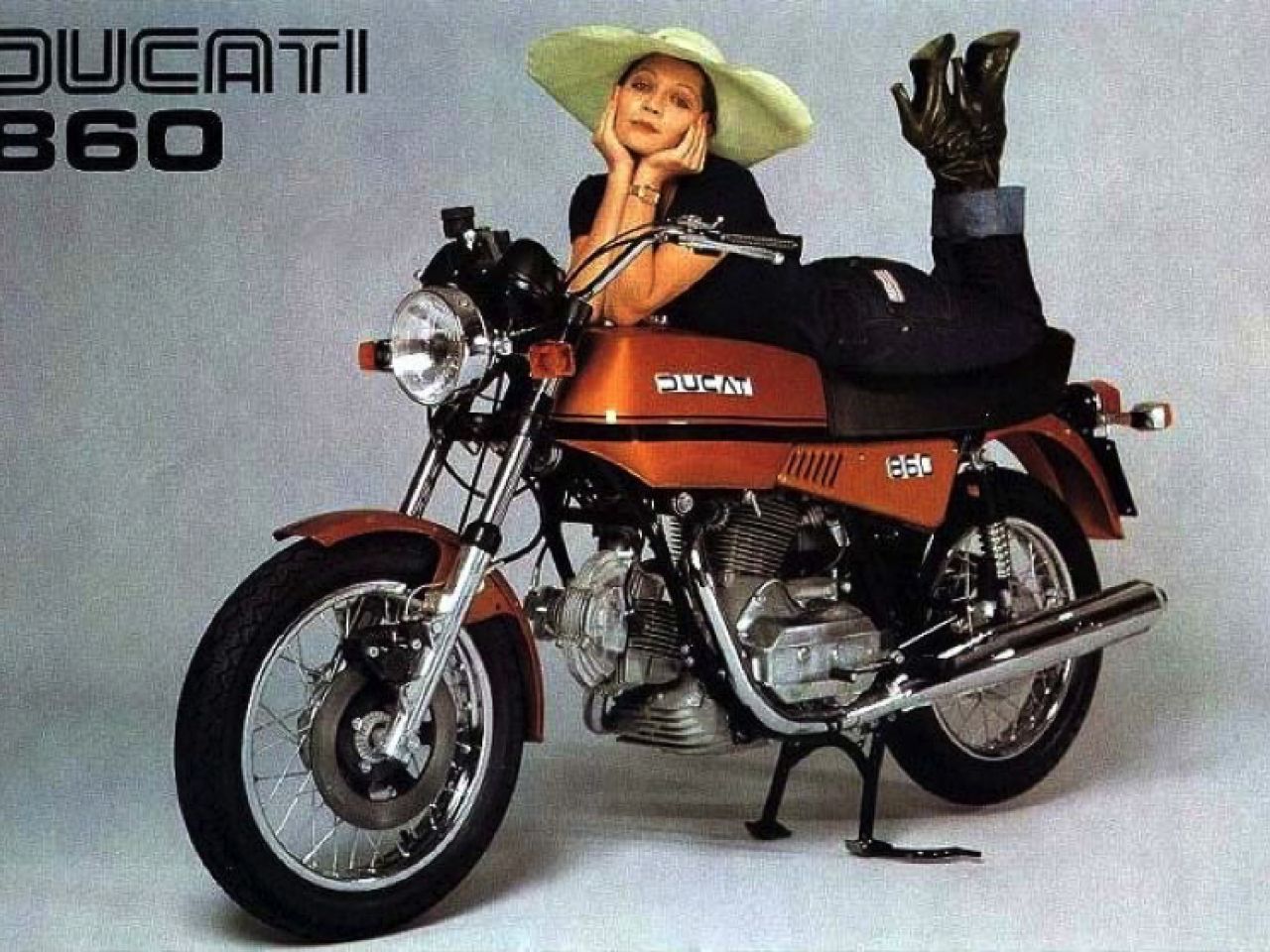
No direct successors of the 750 Sport or 750 Super Sport were envisioned as Ducati management regarded the new 860 GT as a replacement for the complete 750 line-up. This notion soon proved to be a bit too optimistic when distributors started demanding a true sport model, mostly for entering racing series. Reluctantly, Taglioni was given the task to develop a new limited series of race replica’s…
DEVELOPING A NEW SUPER SPORT SERIES
It may come as no surprise that, despite the managerial decisions made in the board room, the true nature of Ducati could be displayed much more in a racing model than in the more touring focussed 860 GT. Taglioni quickly went to work on this new project and used the proven design of the 1974 750 Super Sport as a basis.
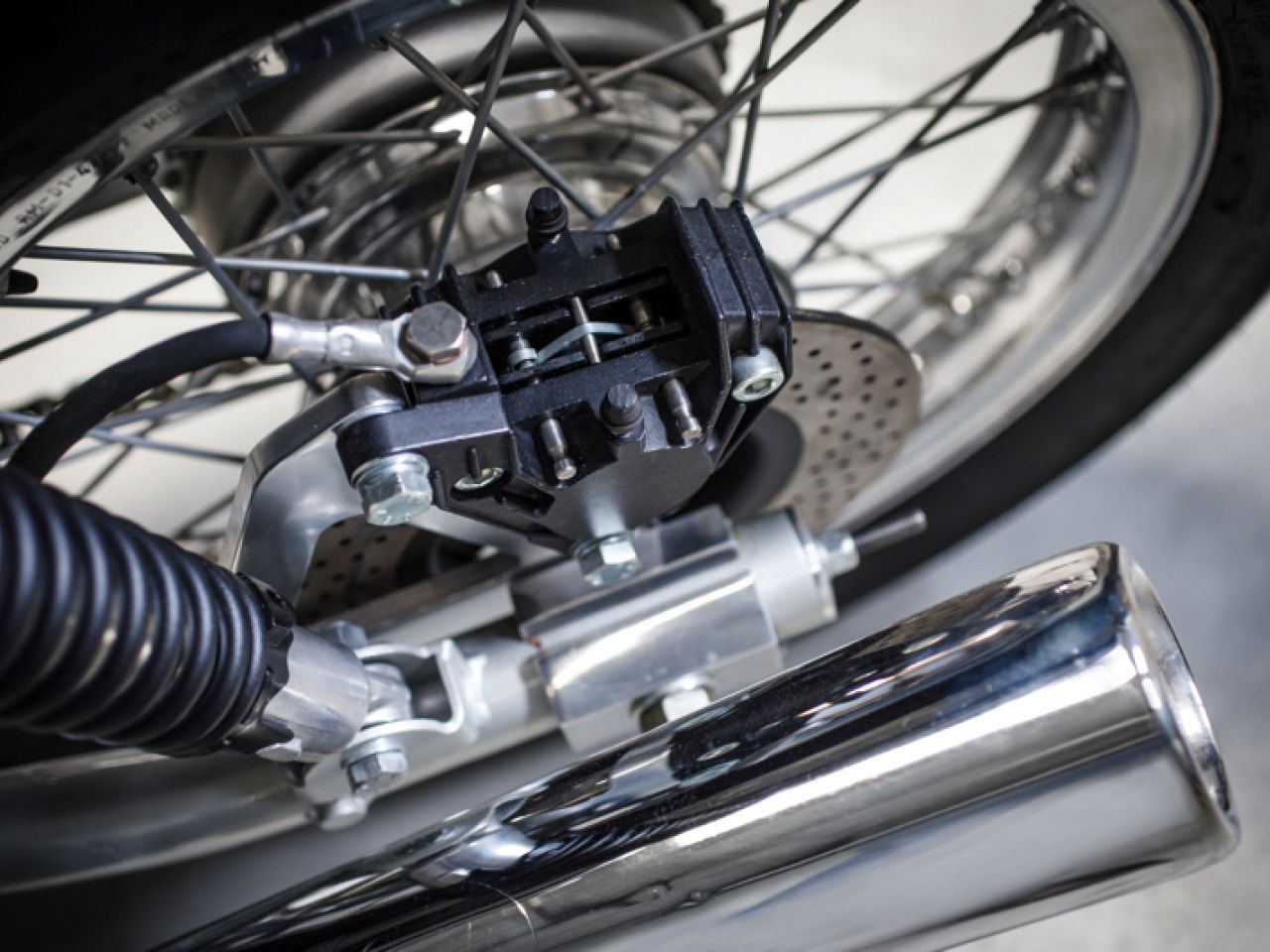
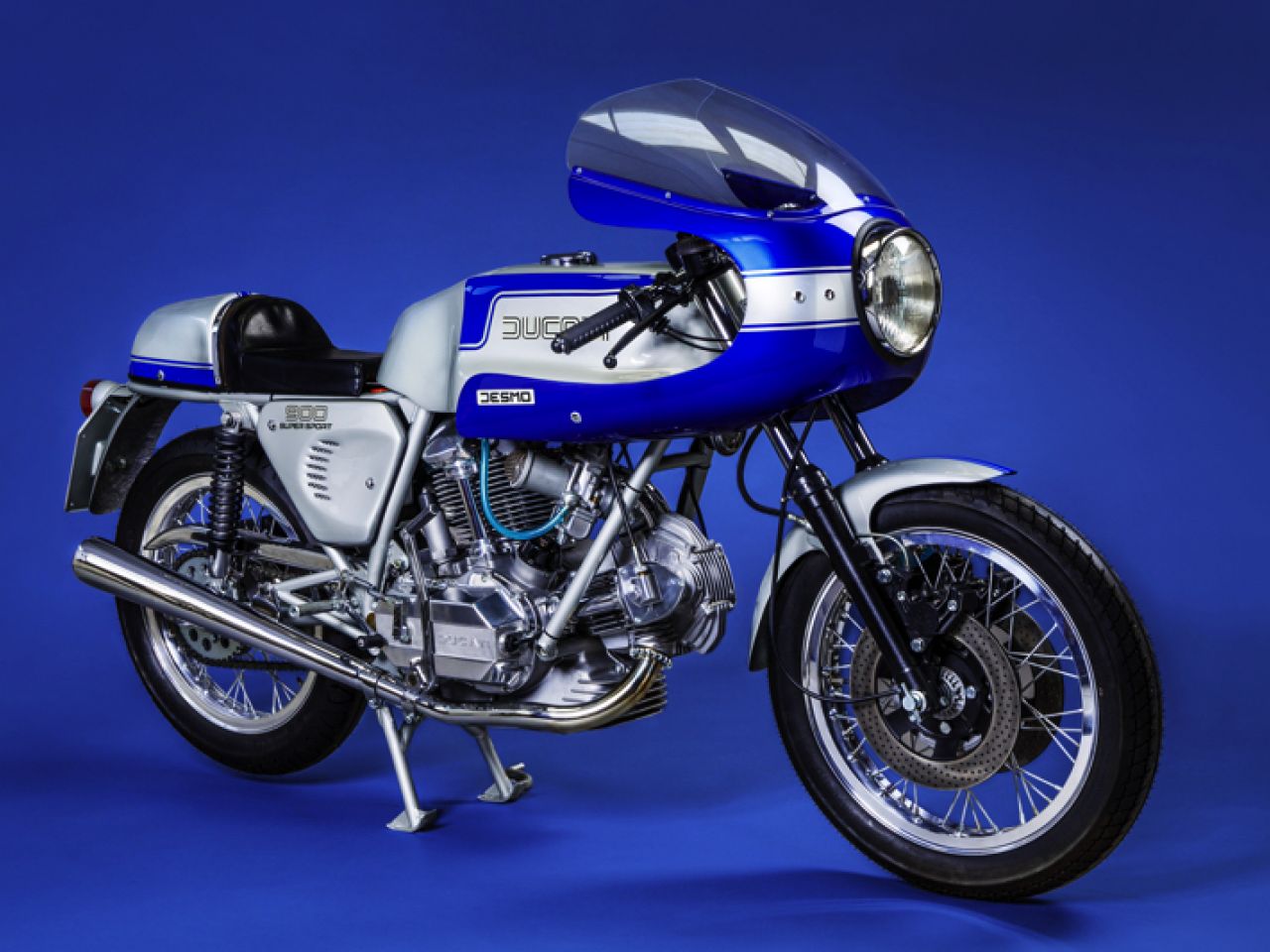
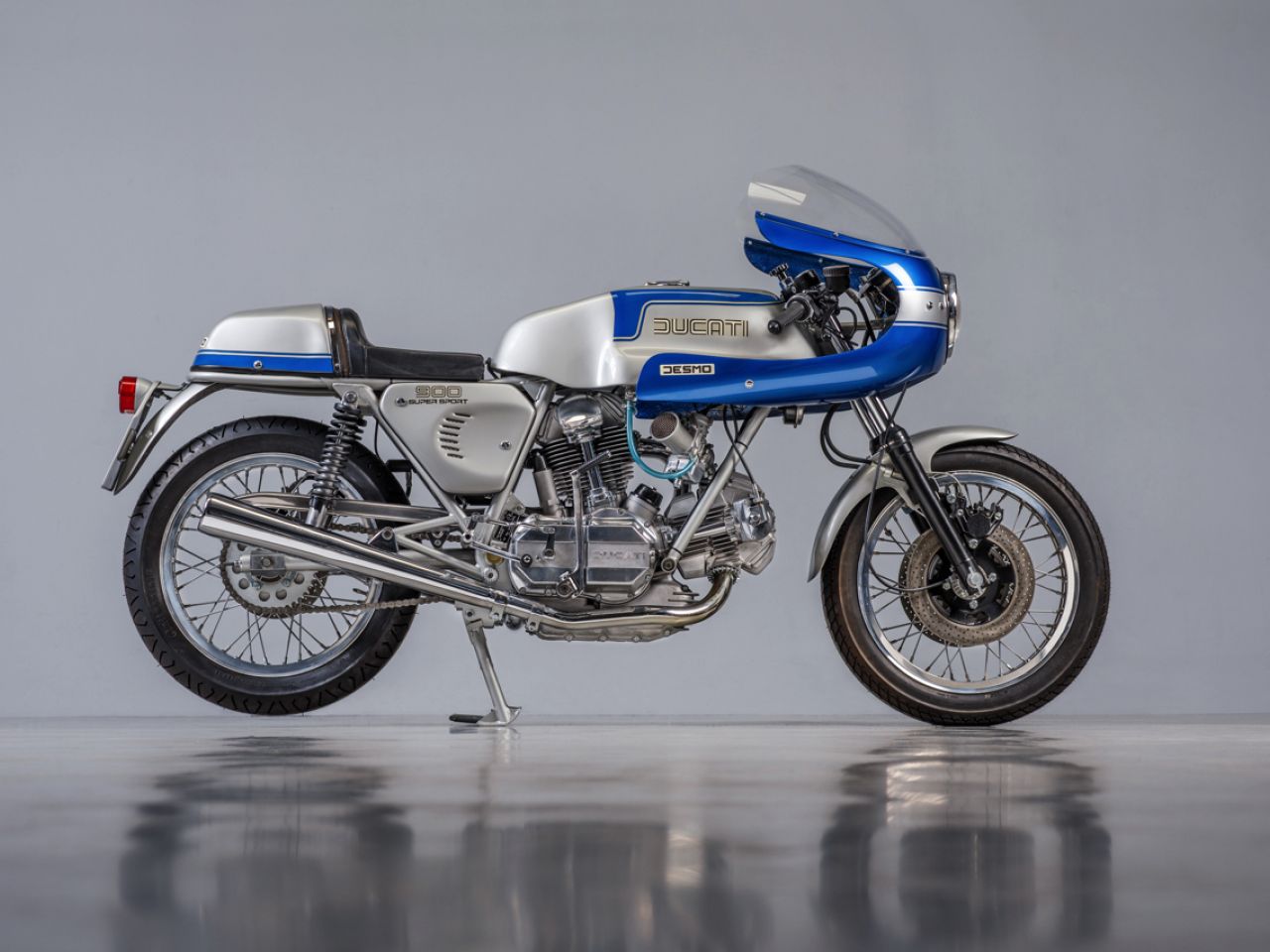
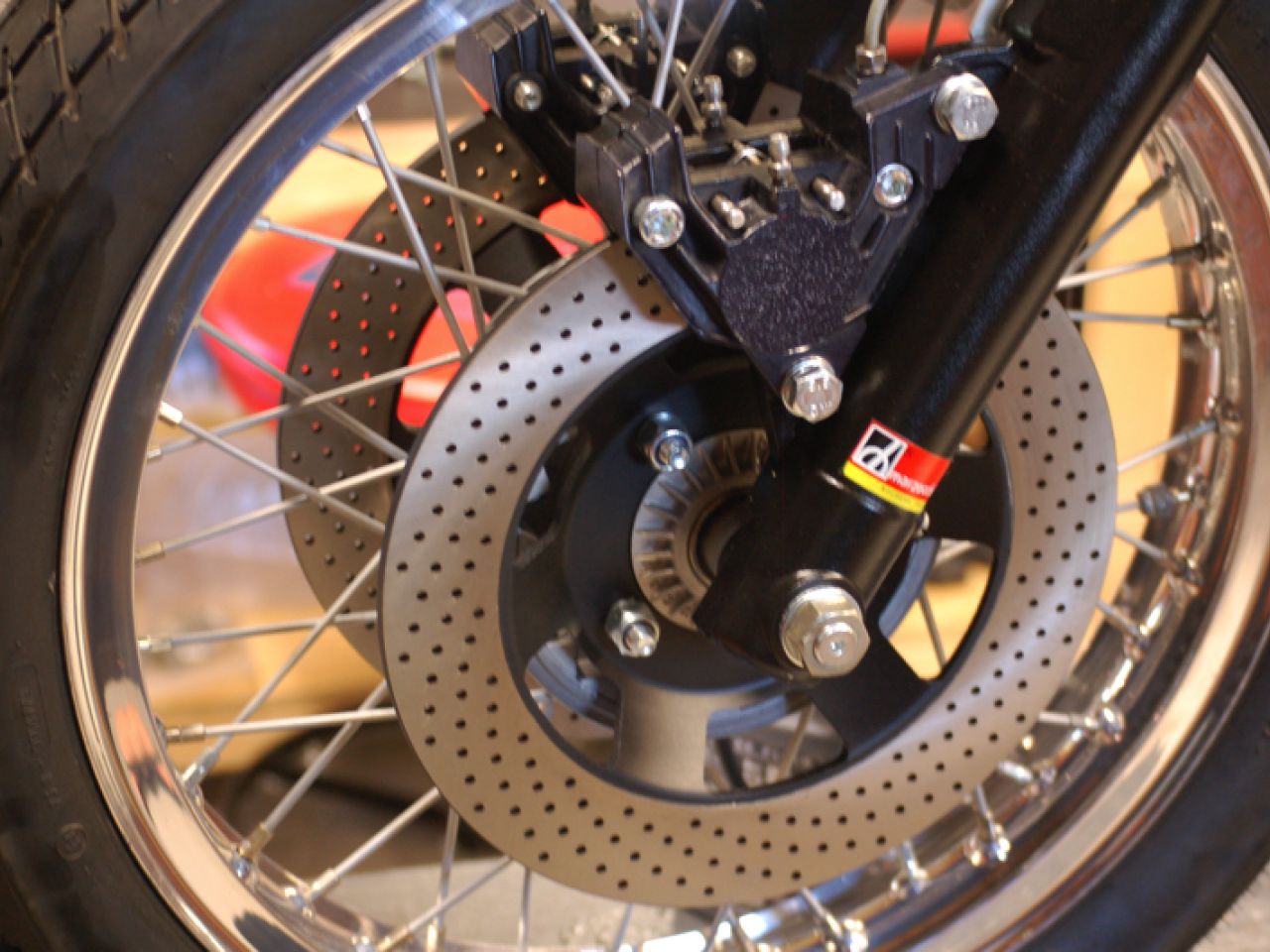
The complete existing set-up of the earlier Super Sport was copied into the new design; except for a new Brembo braking system front and rear, the chassis and bodywork was virtually the same. The new silver and blue colour scheme was completely new for 1975 and also incorporated the new Giugiaro logo.
The new 860 engine was taken directly into the design but with the same cylinder head design with desmodromic valve actuation as was used, again, on the 1974 Super Sport. The crankshaft was fitted with newly designed con-rods and new Borgo pistons brought the compression ratio slightly higher than on the standard 860.
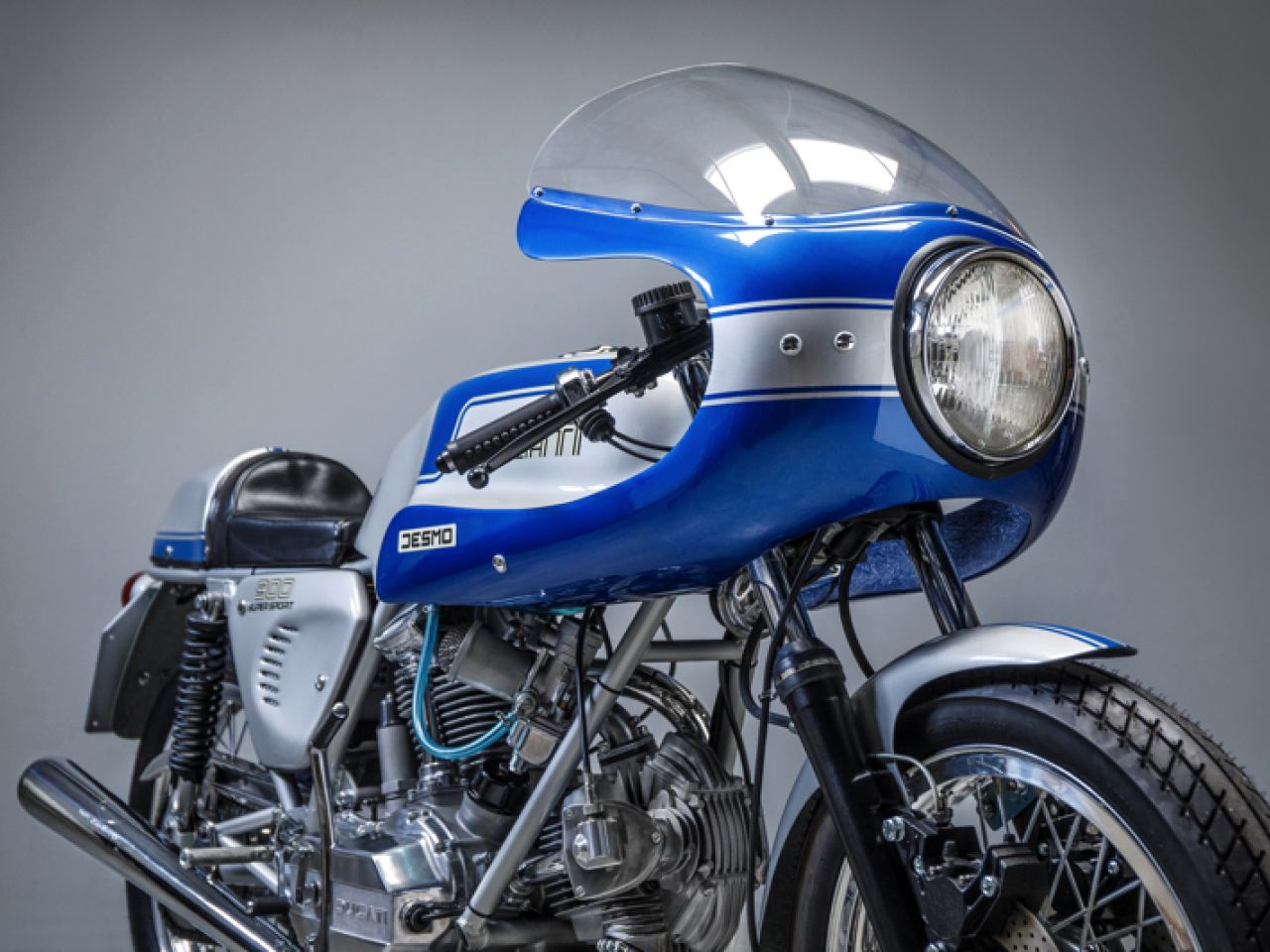
The new Super Sport became available with displacements in both 748cc and 860cc, thus creating the 750 and 900 Super Sport. Apart from the engine displacement, the only difference to the chassis between the two models was that the 750 had a silver fairing with a blue decal and the 900 had a blue fairing with a silver decal.
Because the new Super Sport range was more a continuation of the earlier 1974 model than a new development based on the 860, it used the earlier homologation numbers and continued the frame number sequence. The 750 Super Sport even continued the engine number sequence of the 1974 model.
THE BEST EVER MADE?
Because the new Super Sport took so many parts from the 1974 model, the development could be done in a very short time. Already in June 1975 it was introduced at various dealerships around the world. Looking back now, this 1975 Super Sport may have been the last time Ducati was able to make a motorcycle without any regulatory requirement to noise, emissions, lighting or left side gear change. It may be regarded therefore as the last of the true and uncompromised racing motorcycles Ducati made for the road.
The 1975 Super Sport also incorporated the improvements made with the 860 engine design. In that sense, this ‘last-of-the-breed’ and improved Super Sport could arguably be regarded as the best bevel-drive Ducati of them all!
Only around 400 bikes, 750 and 900 combined, were made in 1975 and availability was therefore limited. Many were raced in different racing series around the world, the 750’s mostly in Italy where a distinct 750cc class was very popular at the time.
RESTORING A 1975 900 SUPER SPORT
Given its rarity and our admiration for this particular model, we were very excited when a long-standing customer contacted us for the restoration of his 1975 900 Super Sport. When we took delivery of the bike it was soon discovered that it had been restored already some time ago, but not with the knowledge about the original specifications.
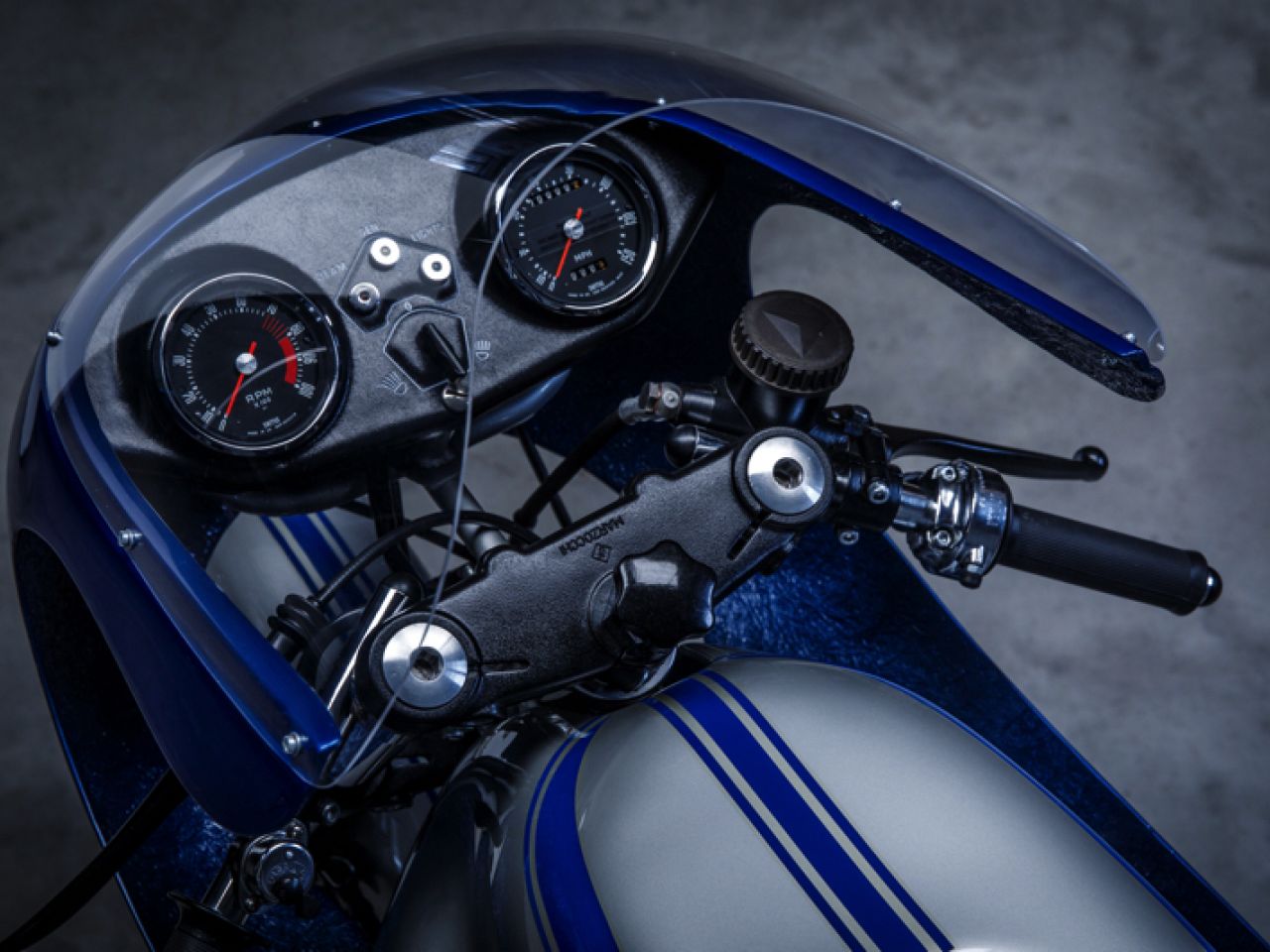
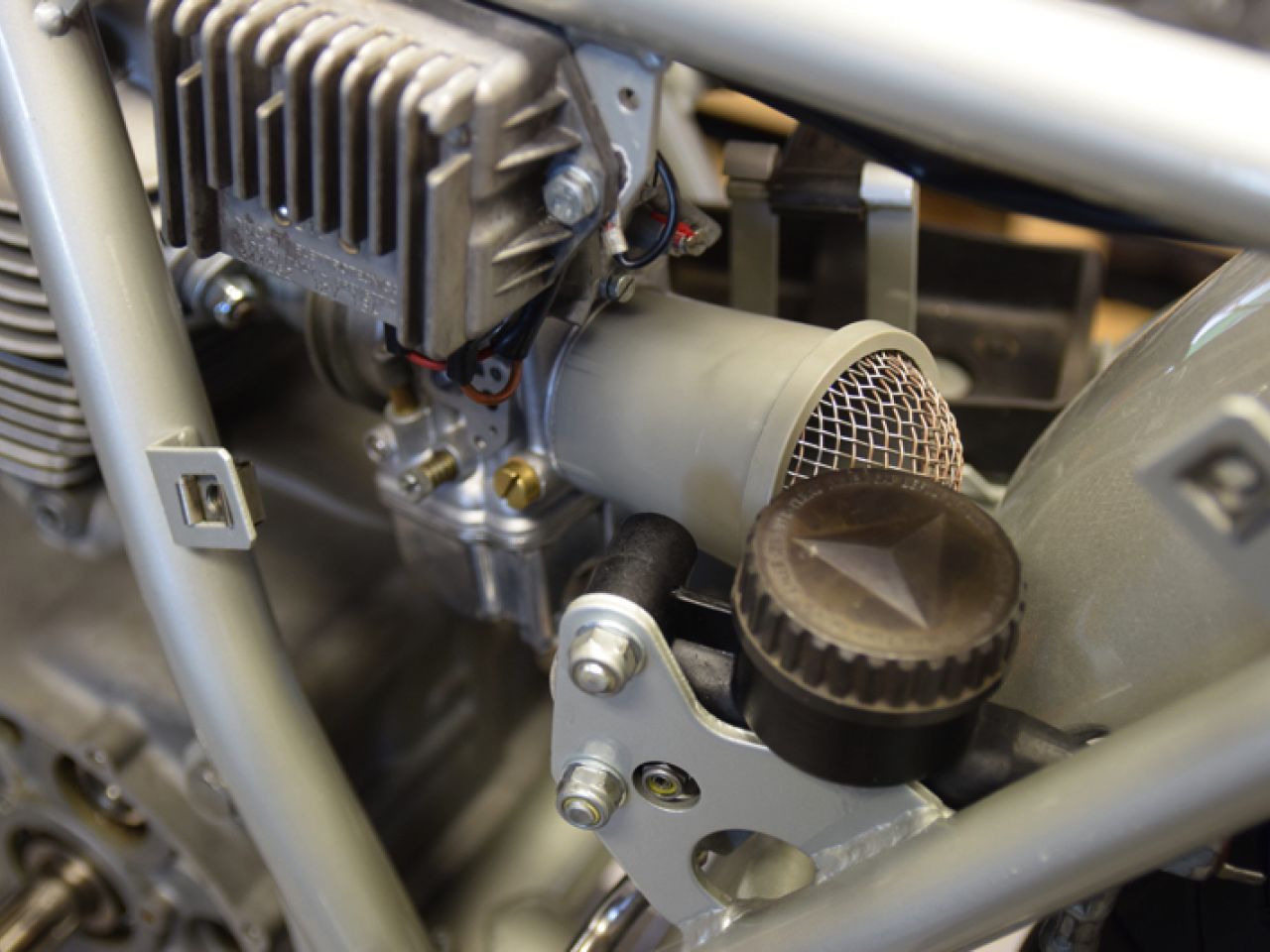
We first built up the bike with all the correct bodywork parts in the right place. The mudguards, seat and fuel tank were all the original items but some frame brackets were not correct and therefore altered. The front fairing is specific for the 1974 and ’75 Super Sports and the original item was missing. We luckily had an original fairing that we used to make newly produced fairings from a new mould based on the original. With that completed we took the bike apart to the last screw.
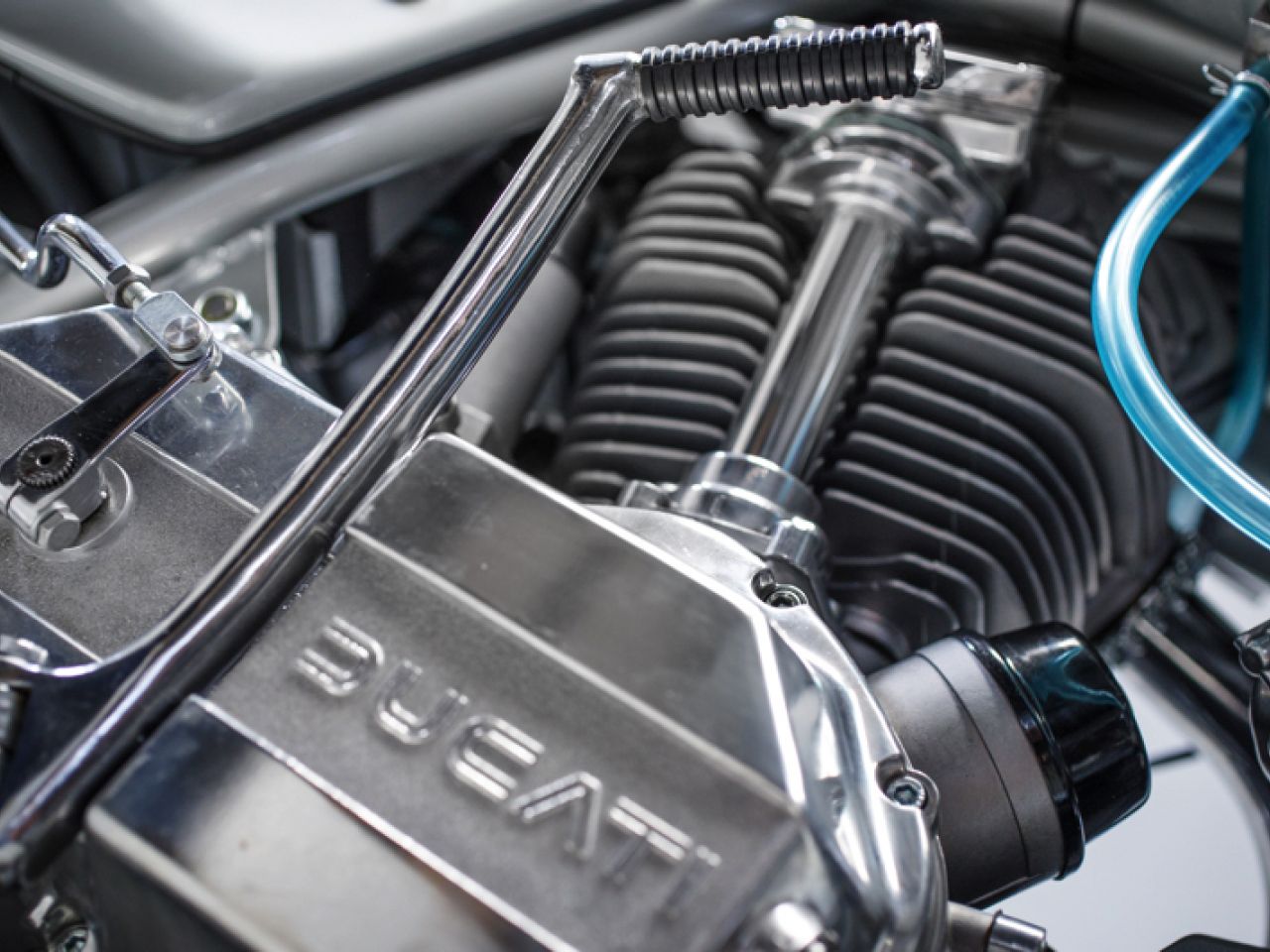
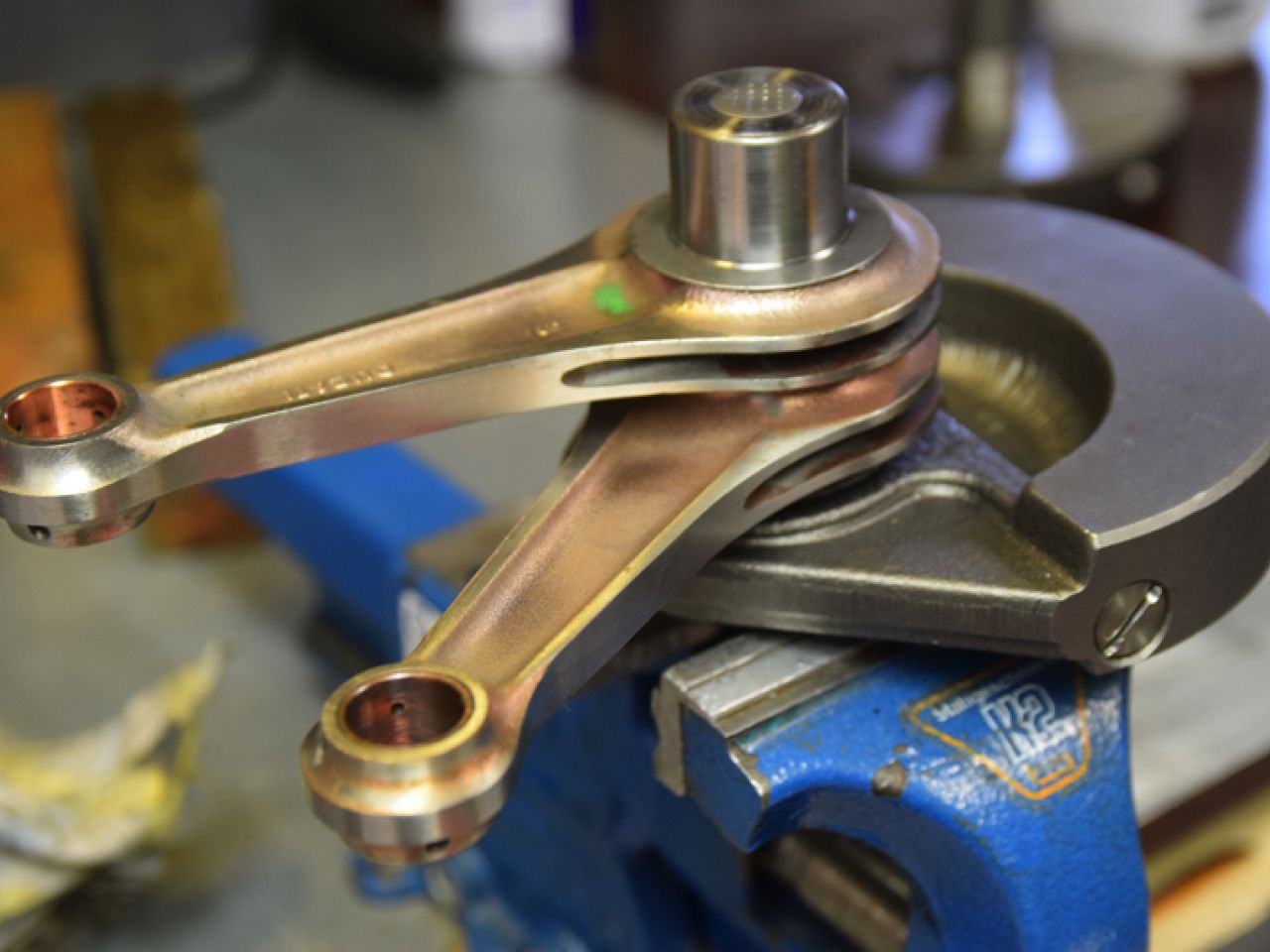
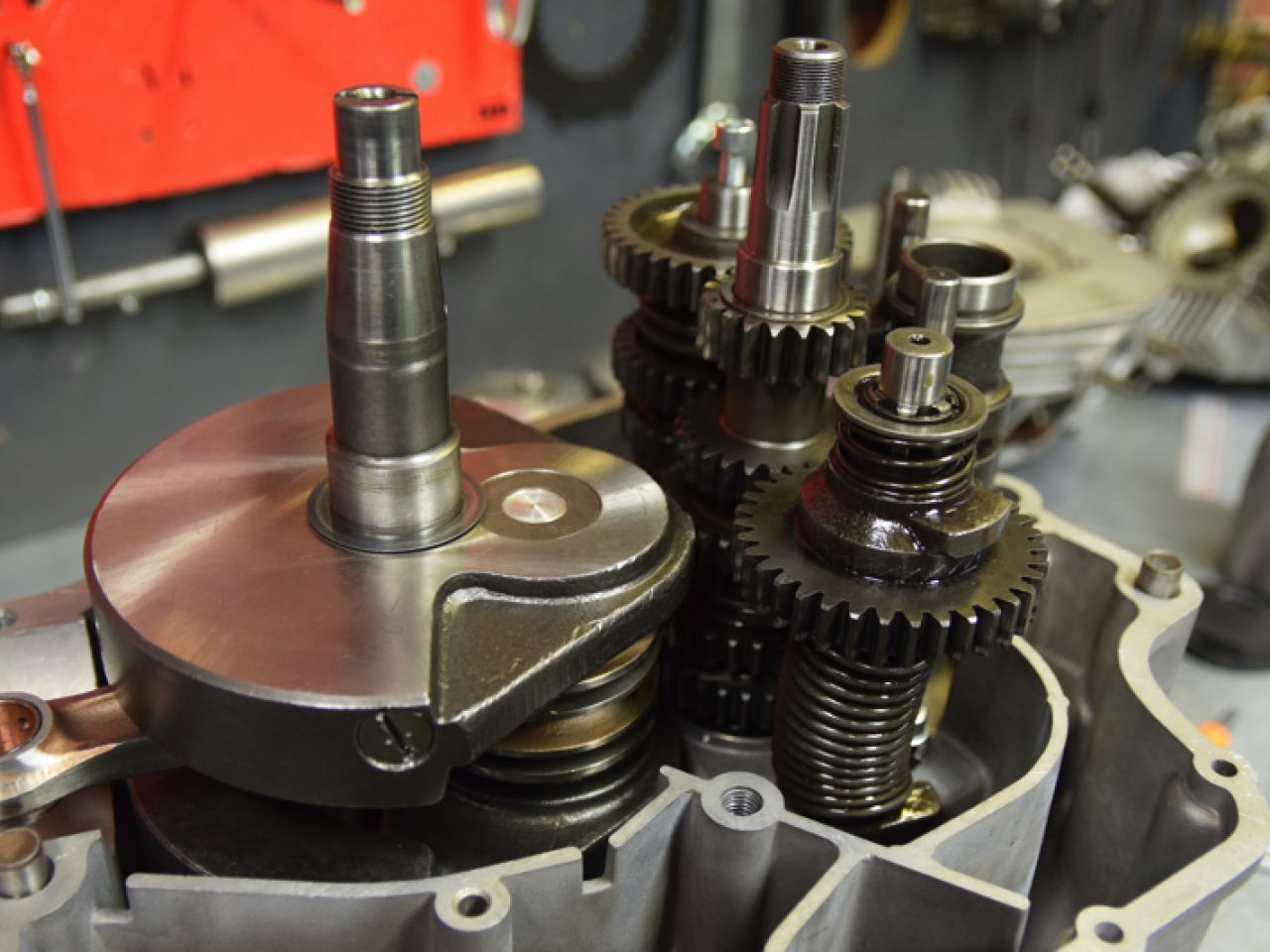
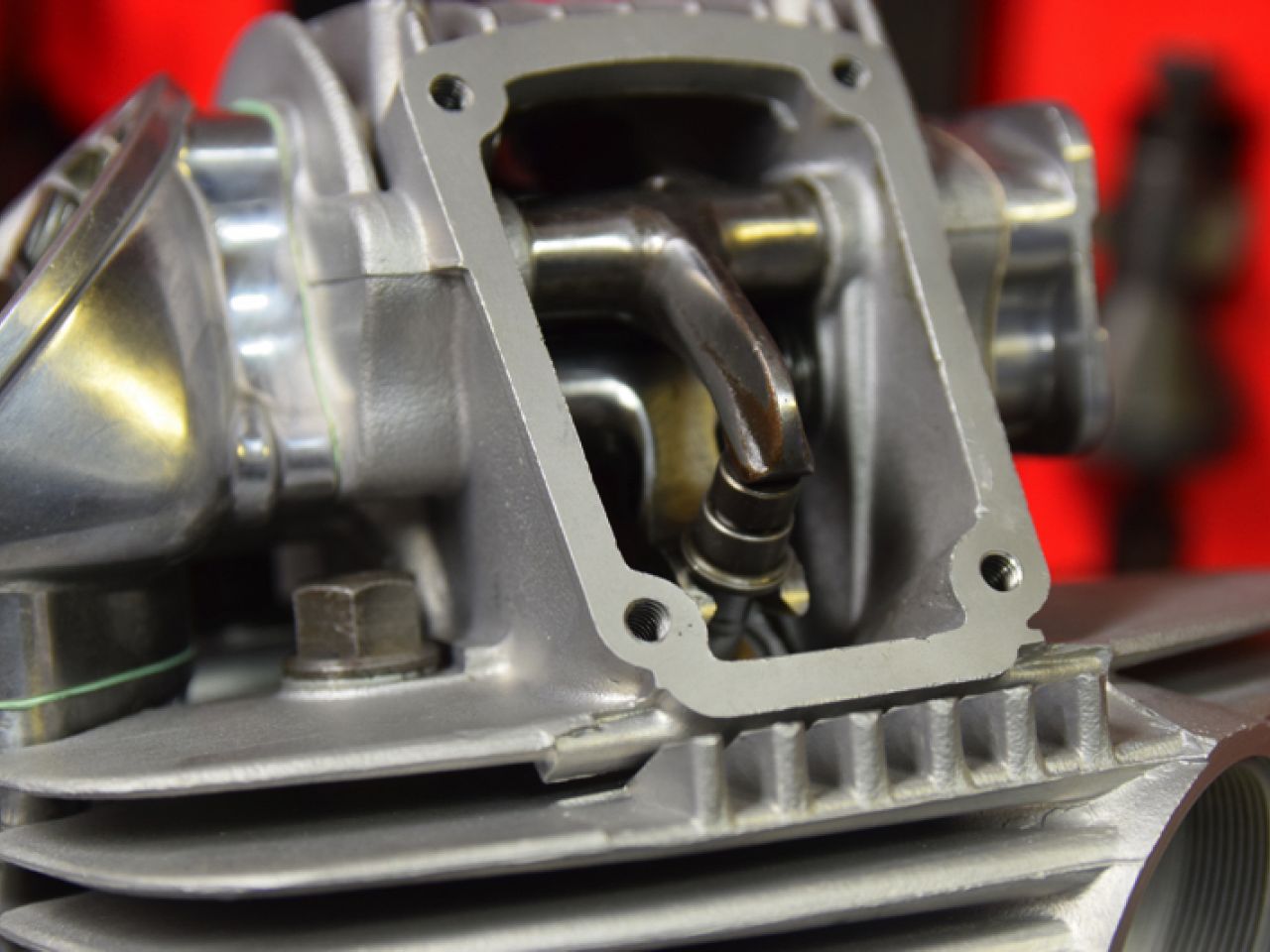
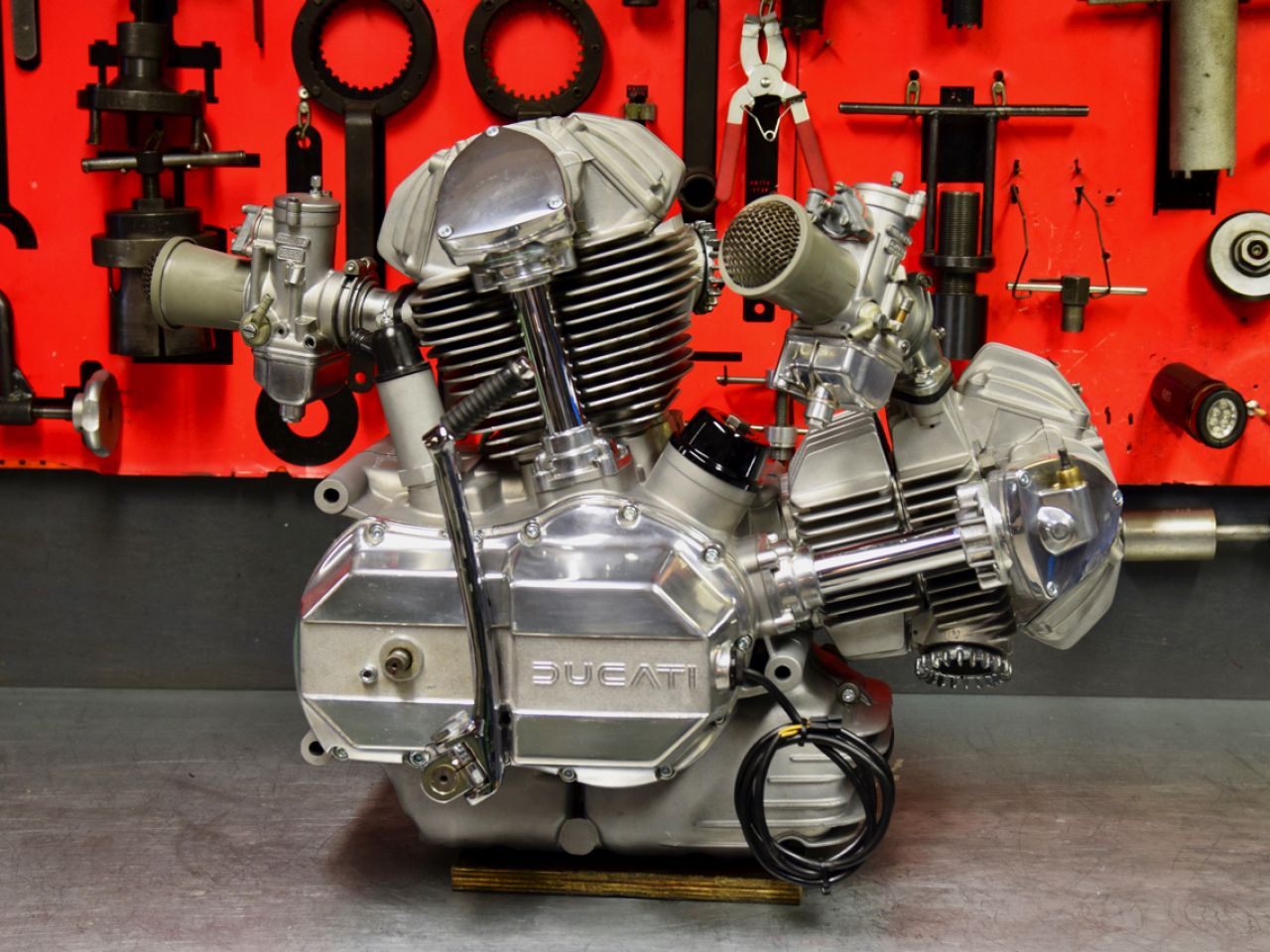
The engine was first fully rebuilt to original specifications. The original con-rods were fitted with a new oversize pin and standard roller bearings. The gearbox was refurbished and a NOS set of Borgo pistons was bored and honed to newly lined cylinders. The cylinder heads were rebuilt with new valves and guides and the original polished rockers. The complete engine was assembled after all the parts were cleaned, blasted and polished.
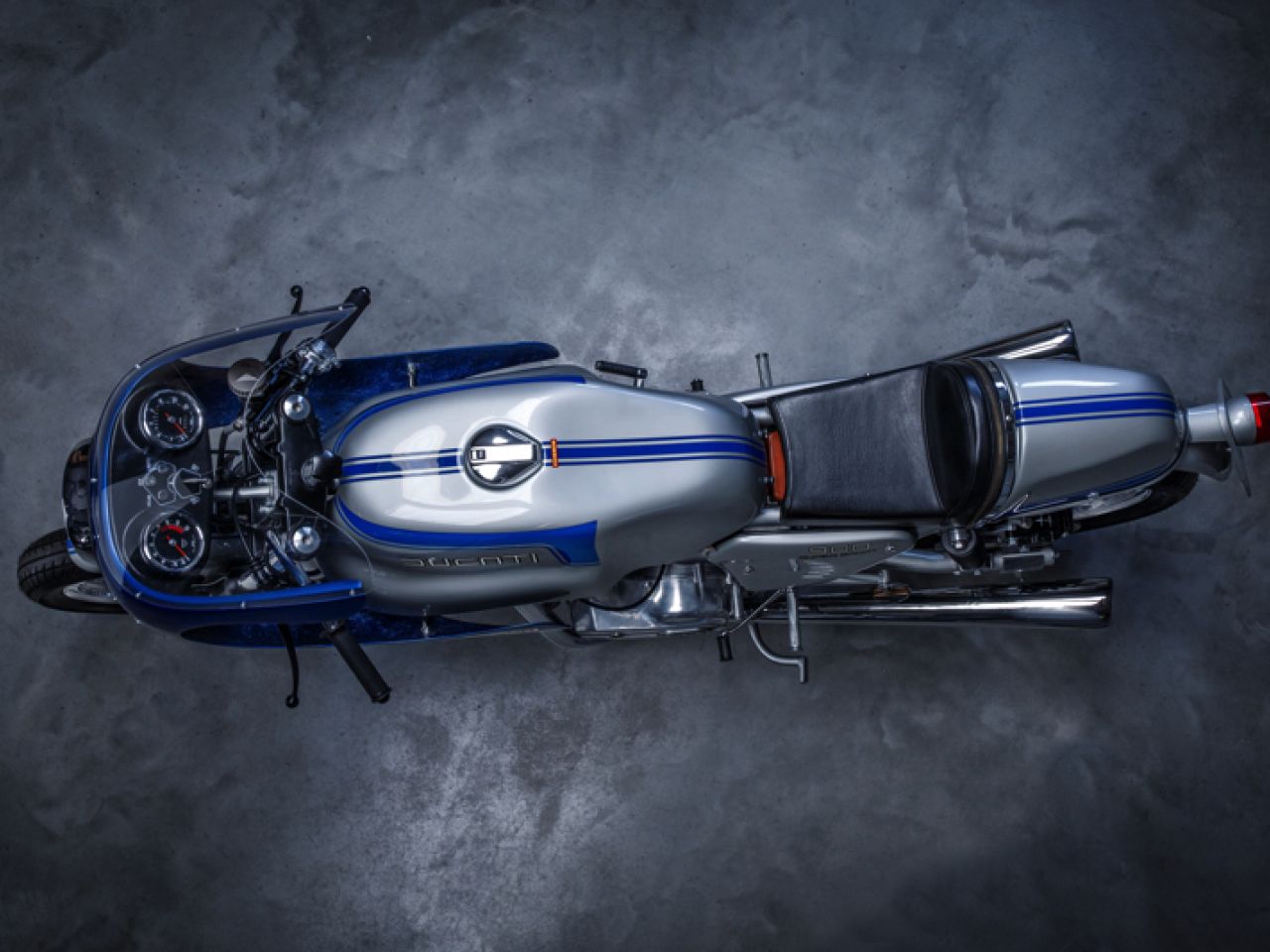
We invested a lot of time to replicate the correct finish of the paint work on this bike. Where the basic paint is silver on the frame and the bodywork parts, the fairing is painted in metallic blue that has a slightly darker shade to it than the blue used on the decals for the tank, seat and front mudguard. After many samples, we finally got it right and had the fairing painted as well.
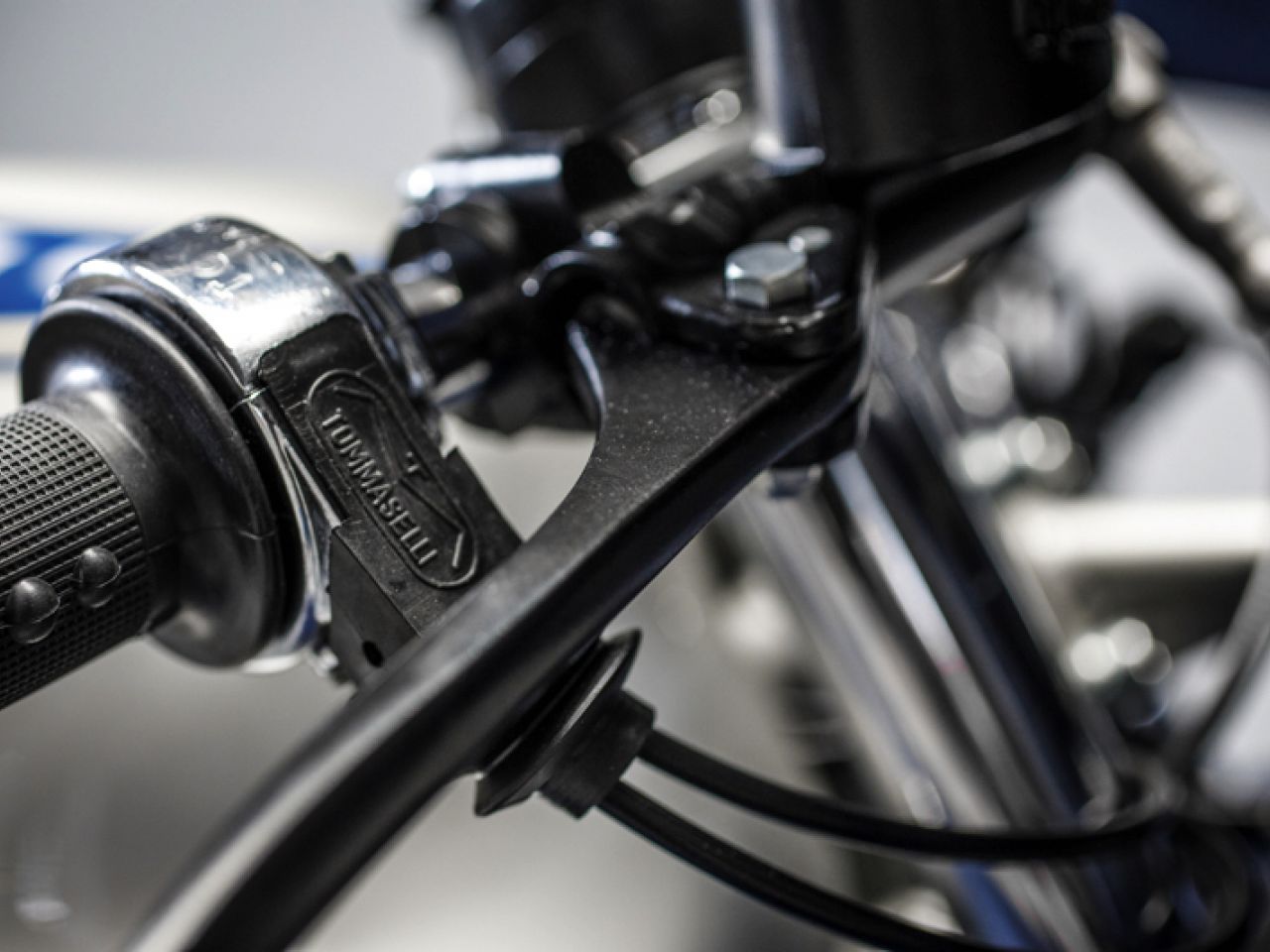
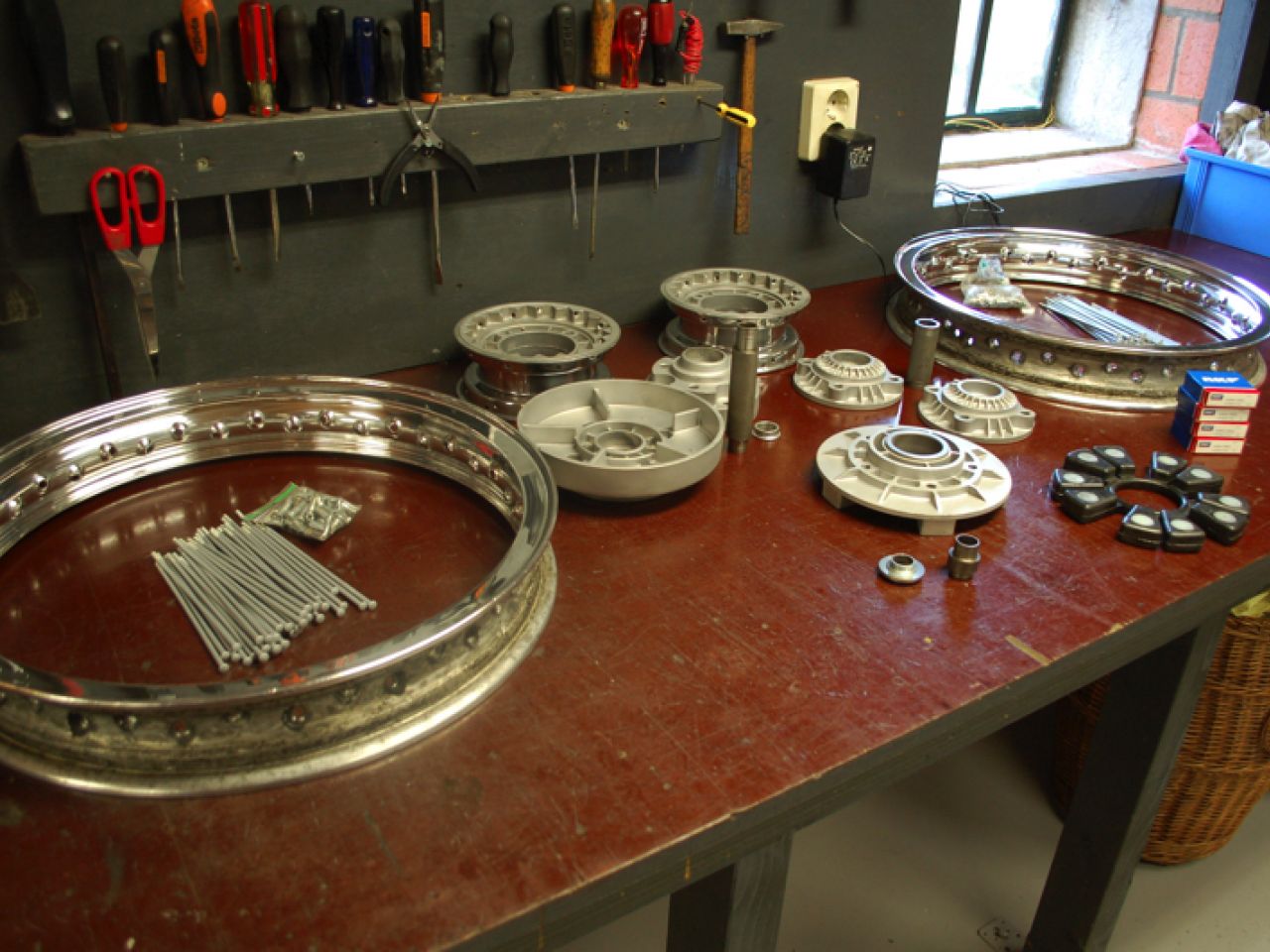
The bike was further assembled with refurbished suspension units and wheels. All specific original items like the machined front brake master cylinder, the specific 1975 kickstart lever and Borrani 4777 wheels were there and were refurbished in the process.
With the bike done and road tested we decided to have this remarkable model professionally photographed by house-photographer Ernst Klip. Another restoration done and a beautiful addition to our client’s collection of classic Ducati’s!